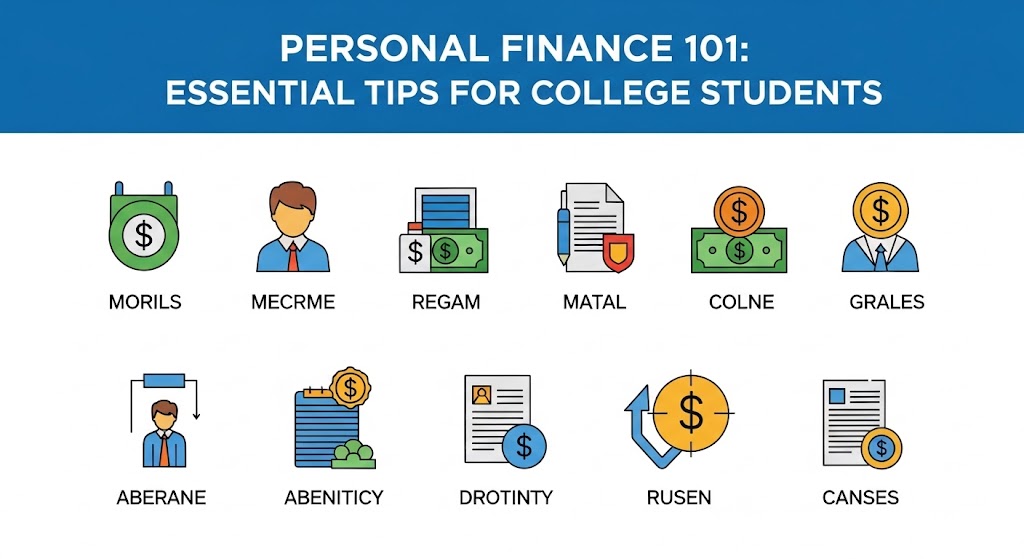
Hey everyone! If you’re navigating the wild world of college life, mastering your personal finances is a game-changer. It can set you up for success long after graduation. Drawing inspiration from the ABA Foundation’s timeless advice, I’ve put together these 10 practical tips to help you take control of your money. Let’s dive in and make those dollars work for you!
Take Ownership of Your Finances You’re the boss of your bank account! Start by crafting a realistic budget that fits your lifestyle and commit to it. Track your income and expenses to avoid surprises—apps like Mint or a simple spreadsheet can make this super easy.
Keep an Eye on Your Spending Habits Remember, you’re in control of where your money goes. To stretch your funds through the semester, cut back on non-essentials like frequent takeout or impulse buys. Prioritize saving by setting small goals, like packing lunches or shopping sales, and watch your savings grow.
Handle Credit with Care Credit cards can be a helpful tool, but they come with big responsibilities. Poor habits now could haunt your credit score later. Research options that match your needs—look for low-interest rates or student perks—and always pay on time to build a strong financial foundation.
Make the Most of Your Bank Account Banks aren’t just storage for your cash; they’re packed with perks! From debit cards and online banking to balance notifications, direct deposits, and even financial workshops, explore what your bank offers. Some even provide identity theft protection to keep your info safe.
Hunt for Free Money Opportunities Scholarships, grants, and student discounts are out there waiting for you—don’t leave them on the table! Dedicate time each week to apply for awards or scout deals on apps like UNiDAYS. Every little bit adds up and can ease the burden on your wallet.
Opt for Used or Online Books Textbooks can drain your budget fast, so skip the new editions. Check out used copies from campus bookstores, online marketplaces like Amazon or Chegg, or even library rentals. You’ll often find them in great condition at a fraction of the price.
Have Fun Without Breaking the Bank College entertainment doesn’t have to cost a fortune. Set a modest “fun fund” and stick to it—think campus events, free movie nights, or DIY game nights with friends. Use your meal plan wisely or experiment with budget-friendly recipes instead of dining out every time.
Be Cautious with Your Cash Not everyone has your best interests at heart when it comes to money. Approach offers from friends, classmates, or salespeople with a healthy dose of skepticism. Do your research before handing over funds or signing up for anything to avoid scams or bad deals.
Build an Emergency Savings Buffer Life throws curveballs, like a busted laptop or an urgent trip home. Start socking away even small amounts right now into a savings account. Aim for an emergency fund that covers 3-6 months of essentials—it’s your safety net for the unexpected.
Don’t Hesitate to Seek Advice Personal finance is a skill you build over time, so if you’re stuck, reach out! Chat with your parents, a trusted mentor, or even your bank’s advisors. The earlier you ask questions, the quicker you’ll gain confidence and avoid costly mistakes.
Conclusion
There you have it—straightforward steps to level up your money management game. Implementing even a few of these can make a huge difference in your college experience and beyond. What’s your top financial challenge right now? Drop a comment below, and let’s chat! Stay savvy, friends. 💸