Key Reasons Small Savings Make a Big Difference
In today’s fast-paced world, the idea of saving money can often feel overwhelming, especially when financial goals seem distant or unattainable. However, the truth is that building wealth doesn’t always require grand gestures or a hefty income. Small, consistent savings can lay the foundation for long-term financial security and personal growth. This article explores the compelling reasons why starting small can lead to big results, drawing on timeless principles of personal finance.
Here are five fundamental reasons why embracing small savings is a smart strategy for anyone looking to improve their financial health:
Ease of Getting Started: One of the greatest advantages of small savings is their accessibility. You don’t need a high salary or a windfall to begin; simply start with whatever amount you can afford, whether it’s skipping a daily coffee or setting aside loose change. This low barrier to entry makes it possible for individuals at any income level to participate, fostering inclusivity in financial planning.
Building Momentum and Confidence: Small savings create a positive feedback loop. As you watch your savings grow—even incrementally—your motivation increases. This psychological boost, often referred to as the “snowball effect” in personal finance, encourages you to continue and even expand your efforts. Over time, what begins as a modest habit can evolve into a robust financial routine.
Creating Financial Options and Security: Accumulating small amounts can provide a safety net for unexpected expenses. For instance, a modest emergency fund built through consistent small contributions can avert larger financial disasters, such as high-interest debt from unforeseen medical bills or car repairs. This proactive approach empowers you to handle life’s uncertainties with greater ease and less stress.
Shaping a Forward-Thinking Identity: Regular small savings help cultivate a mindset of discipline and foresight. By prioritizing saving, you reinforce habits that align with long-term success, transforming yourself into someone who plans ahead and makes intentional financial decisions. This shift in identity can extend beyond money management, influencing other areas of life like career development and personal relationships.
Opening Doors to Investment Opportunities: Every great investor starts somewhere, and small savings serve as the entry point. Once you’ve built a habit of saving, you can transition those funds into investments, such as stocks, bonds, or retirement accounts. The compound interest on even tiny initial amounts can lead to substantial growth over time, proving that the journey to wealth truly begins with the first saved dollar.
Magna enim, convallis ornare
Practical Tips to Implement Small Savings
To put these principles into action, consider the following strategies:
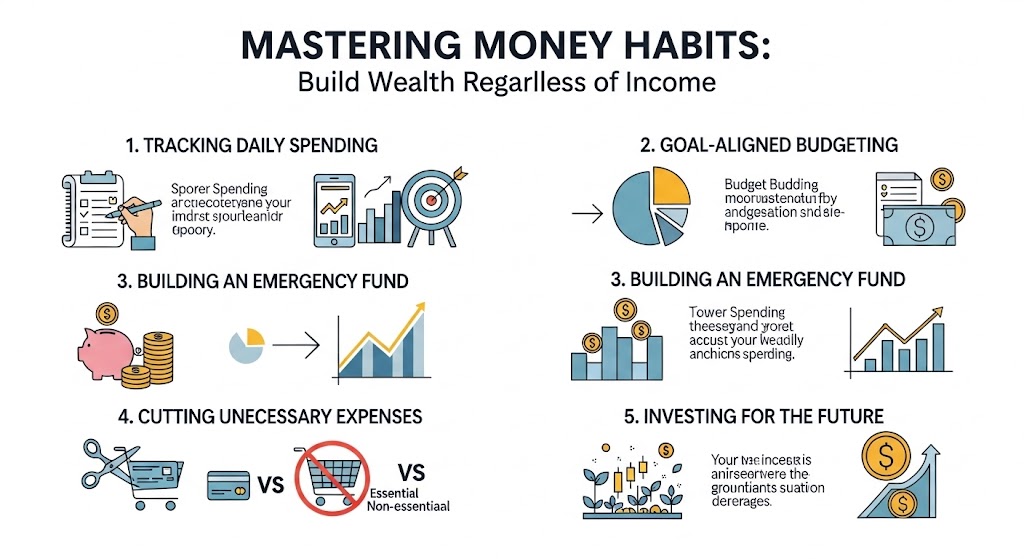
- Track your daily expenses using a budgeting app to identify areas for small cuts.
- Automate transfers to a savings account, even if it’s just $5 per week.
- Set micro-goals, like saving for a short-term reward, to maintain motivation.
- Educate yourself on basic investing through free online resources or books.
By recognizing the value in small savings, you’re not just managing money—you’re investing in your future self. Start today, and watch how these seemingly insignificant actions compound into meaningful change.