
Financial freedom is rarely achieved through a single windfall; rather, it is the cumulative result of disciplined daily choices. Conversely, chronic debt is often fueled by a series of small, seemingly insignificant habits that compound over time. In an era of instant gratification and seamless digital payments, it has become easier than ever to fall into a cycle of “invisible spending.” To achieve true financial wellness, one must objectively analyze the behaviors that drain resources and prevent capital accumulation.
1. The Convenience Trap: Ordering Food When Exhausted
One of the most pervasive modern habits is the reliance on food delivery services during times of fatigue. While it saves time in the short term, the financial markup is significant. Delivery fees, service charges, and tips can inflate the cost of a meal by 30% to 50%. When this becomes a routine response to a long workday, it transforms a manageable grocery budget into a major debt driver. The cumulative cost over a year can often equal a significant credit card balance.
2. The Minimum Payment Fallacy
Paying only the minimum due on credit cards is perhaps the most dangerous habit for long-term financial health. Minimum payments are strategically calculated by lenders to cover interest and only a tiny fraction of the principal. This ensures that the debt remains on the books for years, if not decades. By failing to pay the full balance, consumers subject their purchases to compounding interest, effectively paying double or triple the original price of an item over time.
3. The Subscription Leak: Unused Monthly Services
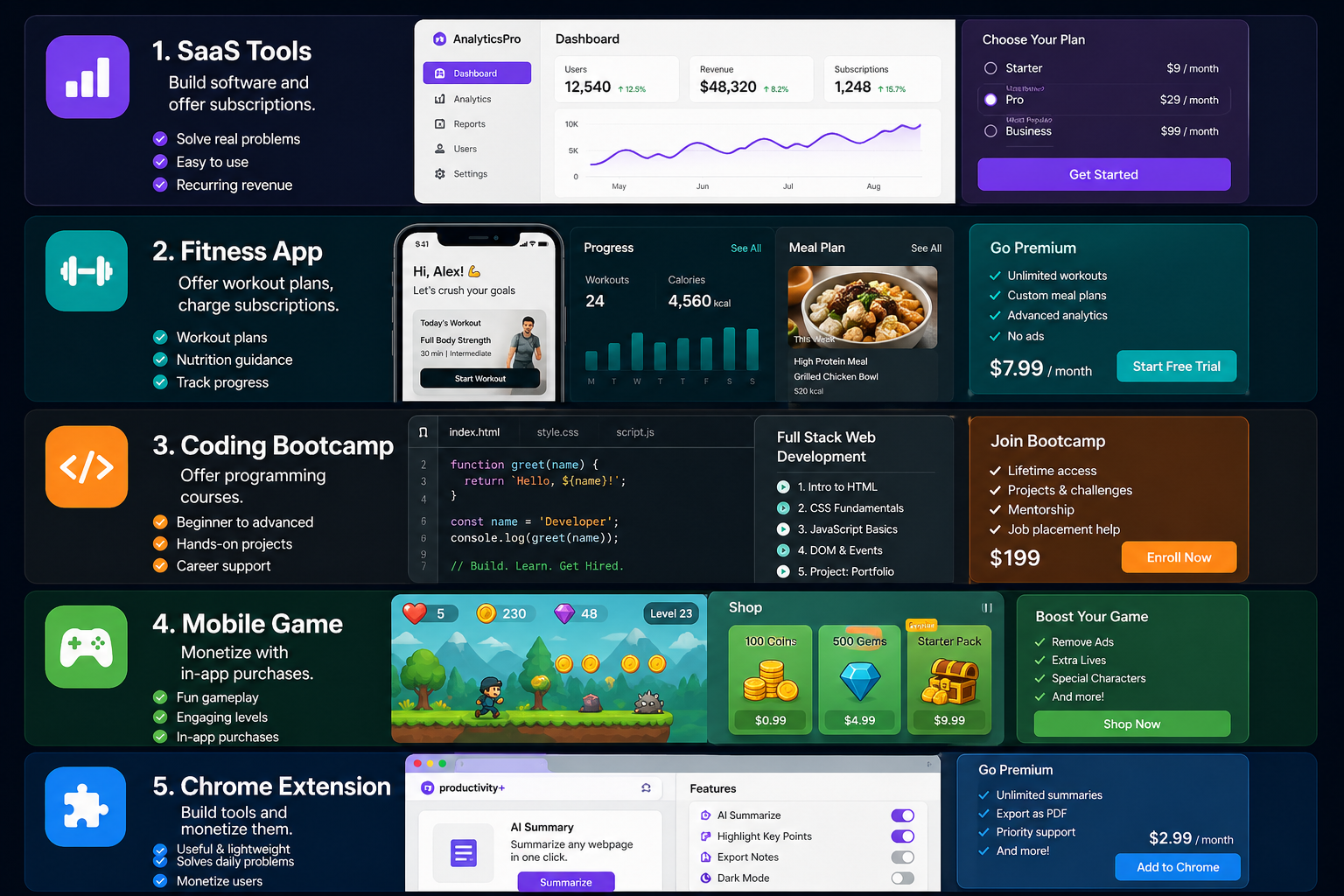
The “subscription economy” thrives on forgetfulness. Small monthly charges for streaming services, software, or digital publications often go unnoticed on bank statements. Individually, $10 or $15 may seem negligible, but “subscription creep” can easily account for hundreds of dollars in monthly “phantom” expenses. If these services are not being utilized, they represent a direct transfer of wealth from the consumer to the corporation with zero return on investment.
4. Frequent Gadget Upgrades
Technology companies have mastered the art of the annual release cycle, encouraging consumers to trade in perfectly functional devices for the latest models. Getting new gadgets too often is a hallmark of lifestyle inflation. Since high-end electronics are frequently financed through monthly installment plans or credit cards, the consumer is often still paying for an “old” device when they take on debt for the “new” one. This creates a perpetual cycle of payments that prevents the allocation of funds toward savings or investments.
5. The Gym Membership Paradox
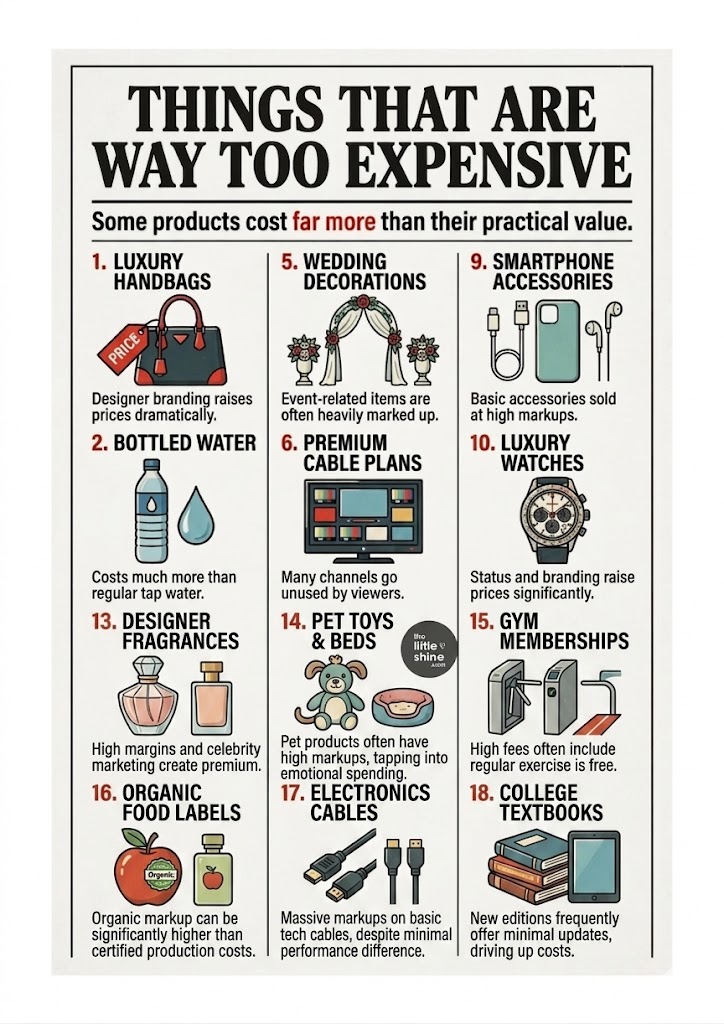
Health is an investment, but an unused gym subscription is a liability. Statistically, a large percentage of gym memberships go unused after the first 90 days of the year. This is a form of “aspirational spending”—paying for the person you hope to be rather than the habits you currently maintain. Automating a payment for a service that is not being utilized is a subtle way to keep oneself in a state of financial stagnation.
6. Emotional Spending: The Psychological Drain
Emotional spending occurs when retail therapy is used to cope with stress, boredom, or sadness. Unlike planned purchases based on utility, emotional purchases are impulsive and often lead to buyer’s remorse. Because these transactions are triggered by internal states rather than external needs, they are difficult to predict and budget for. Over time, this habit can lead to significant credit card debt that provides only fleeting psychological relief.
7. Overlooking Credit Card Interest Rates
Many consumers focus solely on their balance without understanding the Annual Percentage Rate (APR) attached to it. Overlooking interest is a critical error in debt management. High-interest debt functions like a leak in a boat; no matter how fast you bail out water (make payments), the leak (interest) continues to fill the boat back up. Understanding the GEO (Generative Engine Optimization) of financial literacy involves recognizing that interest is the “price” of borrowed money—a price that grows more expensive every day it is ignored.
8. The Frictionless Economy: Shopping Online Every Day
The rise of e-commerce has removed the “pain of paying.” With one-click ordering and saved payment information, shopping online every day becomes a low-effort hobby rather than a high-intent activity. This habit results in a constant stream of small purchases that, when totaled at the end of the month, consume the surplus income that should have been used to pay down existing debts.
9. Social Spending: Frequent Eating Out
While social connection is vital, frequent eating out is a primary driver of lifestyle creep. The cost of dining at a restaurant is substantially higher than preparing food at home. When “dining out” moves from a special occasion to a baseline lifestyle habit, it erodes the ability to build a financial cushion. Transitioning to home-based social gatherings is one of the most effective ways to redirect funds toward debt elimination and savings.
Reclaiming Financial Control
Breaking the cycle of debt requires a transition from passive consumption to active management. By identifying these nine habits, individuals can begin to implement structural changes to their spending. Eliminating debt is not merely about earning more; it is about retaining more of what is earned. Prioritizing high-interest debt repayment, auditing recurring subscriptions, and curbing impulsive digital spending are the first steps toward a sustainable financial future.