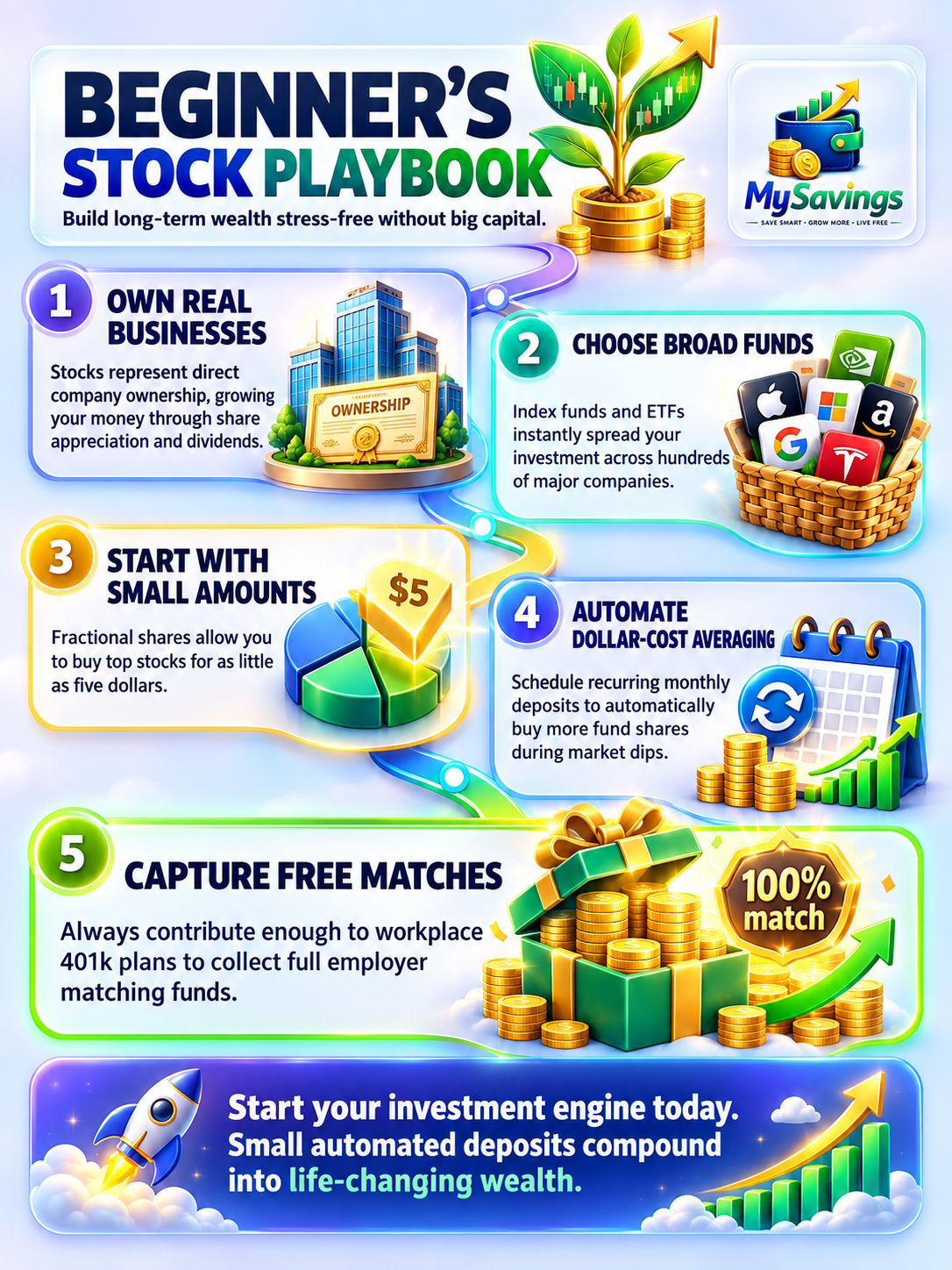
💰 Building wealth doesn’t require complicated financial strategies—it starts with simple habits practiced consistently. 📈 This guide explores 15 proven money principles that can help improve financial stability, reduce unnecessary debt, increase savings, and create long-term wealth. 💡 From spending less than you earn and investing consistently to building an emergency fund and making emotion-free financial decisions, each habit plays an important role in achieving financial freedom. 🚀 Whether you’re just beginning your financial journey or looking to strengthen your existing money management skills, these practical strategies provide a clear roadmap for making smarter financial choices. 🌱 Learn how patience, discipline, continuous learning, and the power of compounding can transform small actions into meaningful financial growth over time. Every successful financial journey starts with one smart decision, and these timeless principles can help create a stronger, more secure financial future for years to come.
What Are the 15 Best Money Habits to Build Wealth Over Time?
Managing money successfully isn’t about earning the highest salary or discovering a secret investment strategy. In reality, financial success is usually built on simple habits that are repeated consistently over many years.
Many people search for shortcuts to become financially secure, yet the strongest financial foundations are often created by following straightforward principles. Small daily decisions can have a much greater impact than occasional big financial wins.
This guide explores fifteen timeless money habits that can help anyone improve their financial future regardless of their income level.
💡 Why Simple Financial Habits Matter
Money management isn’t about perfection.
Instead, it’s about creating sustainable habits that become part of everyday life.
Good financial habits help people:
🌟 Reduce financial stress
🌟 Prepare for unexpected expenses
🌟 Build long-term wealth
🌟 Achieve financial independence
🌟 Make smarter purchasing decisions
🌟 Grow confidence when managing finances
Over time, consistency often produces better results than chasing quick profits.
💰 1. Spend Less Than You Earn
The foundation of every healthy financial plan begins with spending less money than you bring in.
If expenses constantly exceed income, saving and investing become nearly impossible.
Creating a realistic monthly budget helps track where money goes and identifies unnecessary spending.
Key Benefits
✨ Better cash flow
✨ Less financial pressure
✨ More opportunities to save
💵 2. Pay Yourself First
Many people wait until the end of the month to save whatever remains.
Instead, treat savings like a fixed monthly bill.
Automatically transferring part of your income into savings before paying other expenses helps build wealth consistently.
Smart Strategy
💎 Set automatic transfers immediately after each payday.
📈 3. Invest Consistently
Investing doesn’t require waiting until you have a large amount of money.
Making regular investments—even small ones—allows your money to grow steadily over time.
Consistency often matters more than trying to perfectly predict market movements.
Focus On
🌱 Long-term investing
🌱 Regular contributions
🌱 Diversification
⏳ 4. Start As Early As Possible
Time is one of the greatest advantages in personal finance.
The earlier investments begin, the longer they have to grow.
Even modest contributions made early can outperform much larger investments started years later.
The greatest financial asset isn’t necessarily money—it’s time.
🚫 5. Avoid High-Interest Debt
High-interest debt can quietly reduce long-term financial progress.
Credit cards and expensive loans often accumulate interest much faster than investments grow.
Prioritizing debt repayment improves financial flexibility and reduces unnecessary costs.
Good Practice
✔ Pay more than the minimum payment whenever possible.
🛡️ 6. Build an Emergency Fund
Unexpected expenses are inevitable.
Medical bills, vehicle repairs, home maintenance, or temporary income loss can happen without warning.
An emergency fund acts as a financial safety net.
Financial experts commonly recommend saving enough to cover several months of essential living expenses.
🏡 7. Live Below Your Means
Higher income doesn’t automatically create wealth.
Lifestyle inflation often causes spending to rise alongside earnings.
Living below your means creates additional room for saving, investing, and achieving financial goals faster.
People who maintain modest lifestyles frequently accumulate wealth more effectively over time.
📊 8. Buy Assets Instead of Liabilities
Understanding the difference between assets and liabilities can significantly improve financial decision-making.
Assets May Include
💎 Investments
💎 Income-producing property
💎 Business ownership
💎 Dividend-paying investments
Liabilities Often Include
⚠ Expensive consumer debt
⚠ Rapidly depreciating purchases
Choosing purchases that generate future value rather than ongoing expenses strengthens long-term financial health.
📚 9. Learn How Money Works
Financial education is one of the highest-return investments anyone can make.
Understanding topics such as:
🌟 Budgeting
🌟 Saving
🌟 Investing
🌟 Taxes
🌟 Inflation
🌟 Risk management
helps people make better financial decisions throughout life.
Learning continuously improves confidence and reduces costly mistakes.
🌳 10. Focus on Long-Term Growth
Short-term market fluctuations often distract investors from their bigger goals.
Successful wealth building usually rewards patience rather than constant buying and selling.
Developing a long-term perspective helps avoid emotional financial decisions.
🚀 11. Increase Your Income Regularly
Reducing expenses has limits.
Increasing income creates greater opportunities for saving and investing.
Income growth may come from:
✨ Learning new skills
✨ Career advancement
✨ Freelancing
✨ Business opportunities
✨ Professional certifications
Continually improving earning potential strengthens long-term financial security.
🎭 12. Don’t Try to Impress Other People
Many unnecessary purchases are driven by comparison.
Buying expensive products solely to impress others often delays meaningful financial progress.
True financial success is measured by financial security—not visible luxury.
Making intentional spending decisions supports long-term goals instead of temporary appearances.
🌱 13. Let Compounding Do the Heavy Lifting
Compound growth allows earnings to generate additional earnings over time.
The longer investments remain untouched, the greater their growth potential becomes.
This is why patience and consistency frequently outperform chasing quick returns.
Small investments made consistently over many years can produce remarkable long-term results.
🧠 14. Make Financial Decisions with Logic, Not Emotion
Emotions often influence financial decisions during periods of excitement or fear.
Making purchases impulsively or reacting emotionally to market changes can reduce long-term success.
Instead:
✨ Research carefully
✨ Compare options
✨ Consider long-term consequences
✨ Follow a financial plan
Logic creates consistency, while emotional decisions often create unnecessary risk.
⏰ 15. Be Patient—Wealth Takes Time
One of the most overlooked financial principles is patience.
Meaningful wealth rarely develops overnight.
It grows through years of disciplined saving, responsible spending, thoughtful investing, and consistent learning.
Short-term setbacks are normal.
Remaining committed to long-term financial habits is what ultimately separates lasting wealth from temporary success.
🌟 Discipline Is More Valuable Than Intelligence
Financial success is not reserved for the smartest people.
Instead, it often belongs to those who consistently practice simple habits over many years.
Knowledge is valuable, but disciplined action produces lasting results.
Every financial decision made today has the potential to shape tomorrow’s opportunities.
Whether you’re beginning your financial journey or refining existing habits, these fifteen timeless principles provide a practical roadmap toward greater financial stability, confidence, and long-term prosperity.
The path to building wealth isn’t built on complicated formulas—it starts with simple decisions repeated consistently. Start small, stay disciplined, and allow time to work in your favor.