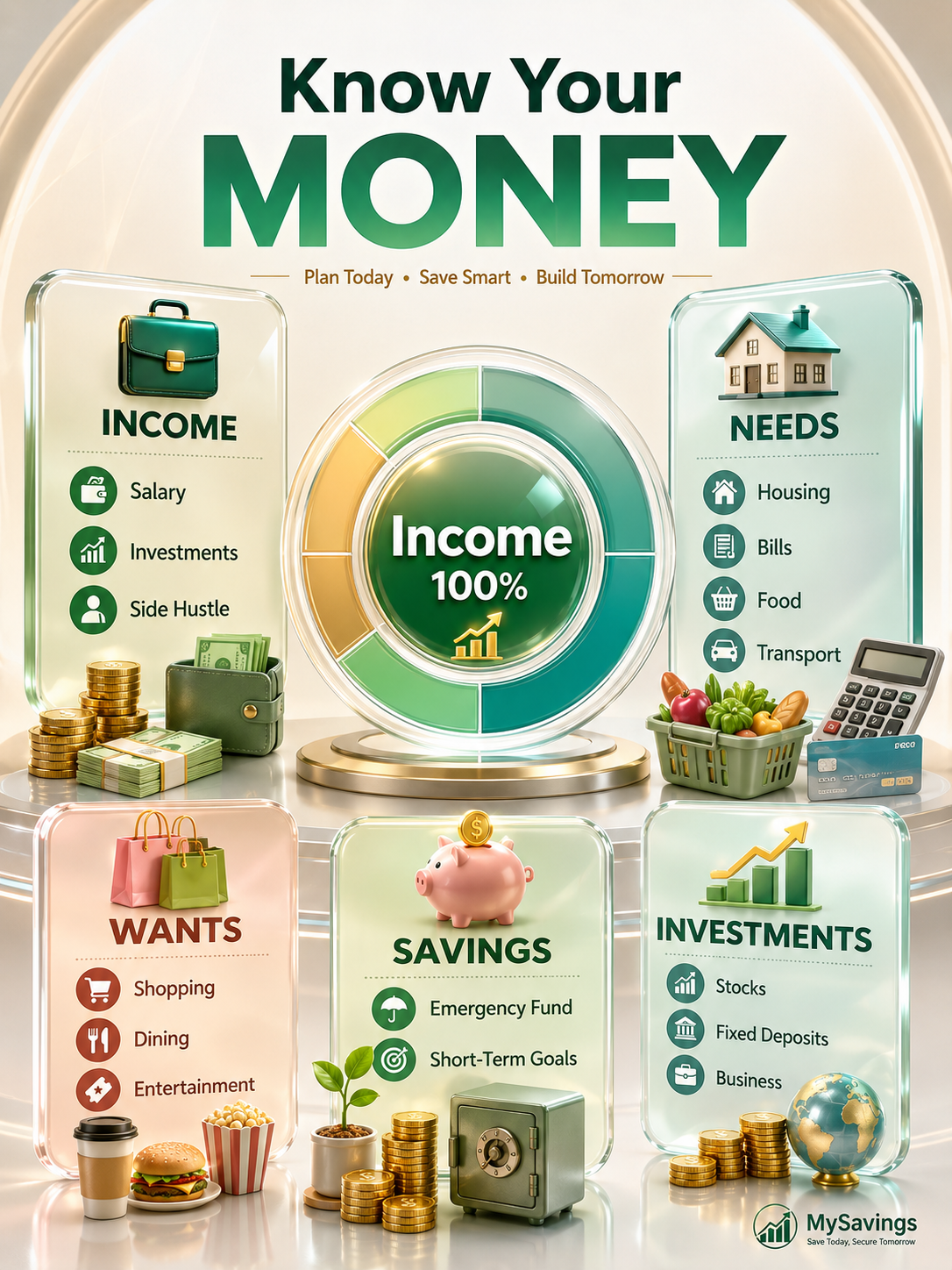
💰 Every dollar you earn has a purpose—but are you giving your money the right direction? 📊 This complete budgeting guide explains how to manage your income wisely by dividing it into essential categories like needs, wants, debt repayment, savings, and investments. 🌱 Learn practical budgeting strategies, discover the ideal percentage to allocate for each financial goal, and understand how consistent money management creates long-term financial stability. 💵 Whether you’re earning your first paycheck, managing a household budget, or building wealth through side income, this guide provides clear steps to make smarter financial decisions. 📈 Explore emergency funds, investment options, debt reduction techniques, and spending habits that support lasting financial success. 🎯 With easy-to-follow insights and actionable advice, you’ll gain the confidence to create a balanced financial plan that helps you save more, spend wisely, and achieve your money goals without unnecessary financial stress.
🌟 Why Understanding Your Money Matters
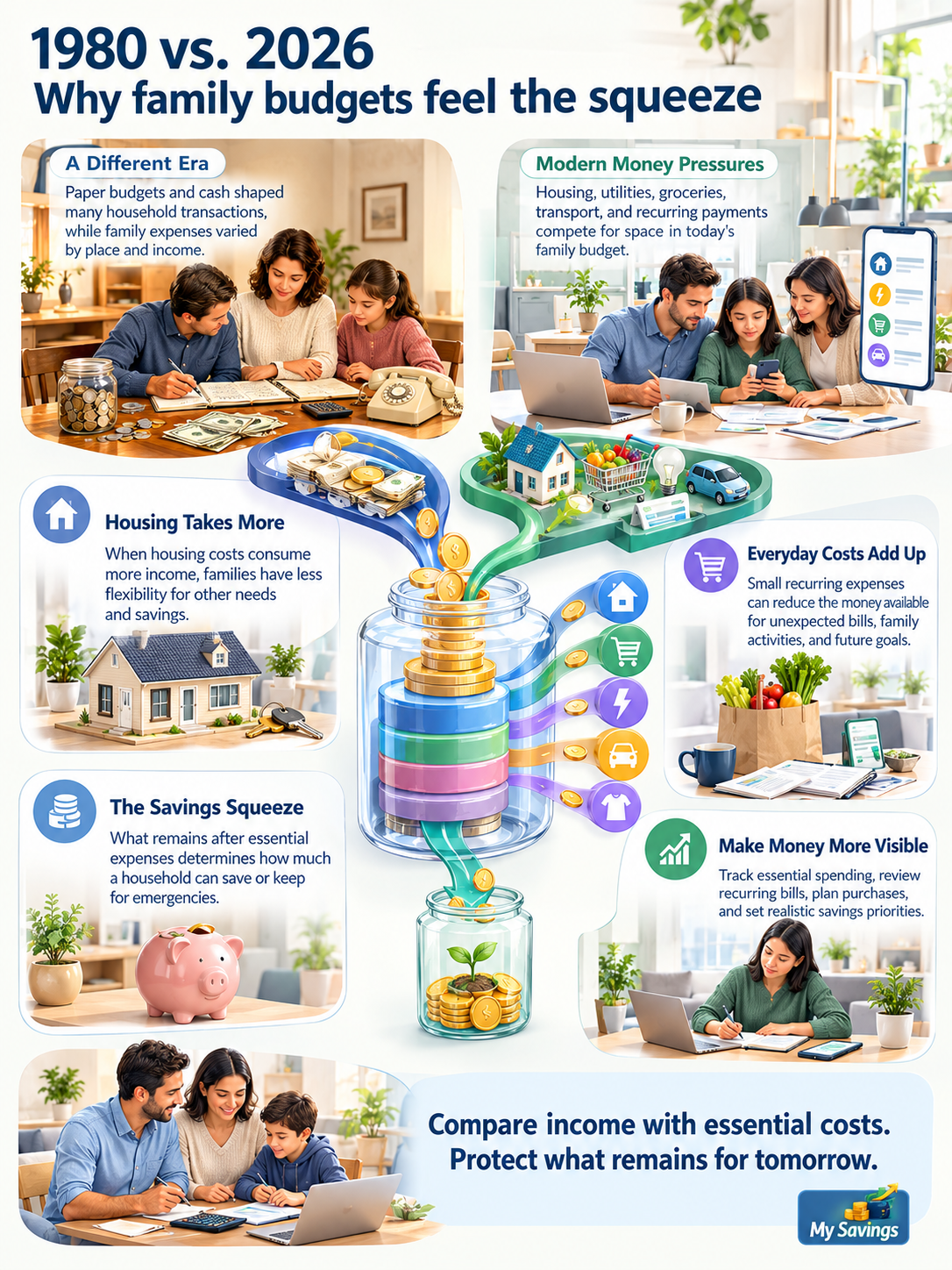
Money is more than just the amount deposited into your bank account each month. It is a tool that can provide security, opportunities, and long-term financial freedom when managed wisely. Many people earn a good income but still struggle financially because they don’t have a structured plan for allocating their money.
Creating a simple budgeting system helps ensure every dollar serves a purpose. Instead of wondering where your money disappeared at the end of the month, you gain complete visibility into your spending habits while building healthier financial behaviors.
A well-planned budget also reduces financial stress, improves saving habits, prepares you for emergencies, and supports future investments.
💵 Understanding Your Total Income
Your financial plan begins with understanding exactly how much money comes in each month.
Income is not limited to your primary salary. Many households have multiple income streams that contribute to their financial growth.
🌿 Common Sources of Income
💼 Net Salary
The amount you receive after taxes and deductions forms the foundation of your monthly budget. Whether you are paid weekly, bi-weekly, or monthly, calculate your average monthly income first.
💹 Investment Returns
Income generated through dividends, rental properties, interest, or other investments can become an additional source of financial stability over time.
🚀 Side Hustle Profits
Freelancing, online businesses, consulting, content creation, affiliate marketing, digital products, tutoring, and other side businesses can significantly improve cash flow while accelerating savings and investment goals.
Understanding every income source gives you a realistic picture of your available financial resources.
🏡 Prioritize Your Essential Needs First
Once you know your total income, the next priority is covering life’s necessities.
A practical budgeting approach recommends allocating approximately 30%–40% of your income toward essential living expenses.
These expenses include everything required for daily living.
🏠 Housing Costs
Your rent or mortgage payment is typically the largest monthly expense. Aim to keep housing costs within a manageable percentage of your income to maintain financial flexibility.
🍽️ Daily Living Expenses
Groceries, household supplies, and other everyday necessities should be planned carefully to avoid unnecessary overspending.
Meal planning, buying seasonal products, and reducing food waste can help lower monthly expenses without sacrificing quality.
📱 Utilities and Communication
Internet services, mobile phone bills, electricity, water, cooking gas, and transportation costs all fall under essential monthly expenses.
Tracking these recurring expenses helps identify opportunities to reduce unnecessary costs.
🐾 Family and Care Expenses
Childcare, pet care, education-related expenses, and healthcare necessities should be included in your monthly financial plan to avoid unexpected financial pressure.
🎯 Differentiate Between Wants and Needs
One of the biggest challenges in personal finance is distinguishing needs from wants.
Needs are necessary for survival and daily living.
Wants improve comfort, convenience, or enjoyment but are optional.
Many budgeting problems occur when wants consistently exceed available income.
A balanced budget usually keeps discretionary spending around 5%–10% of monthly income.
🛍️ Shopping
Impulse purchases, fashion items, gadgets, and luxury goods can quickly consume disposable income if spending is not monitored.
Before making non-essential purchases, consider whether the item provides lasting value or temporary satisfaction.
🍕 Dining Out
Restaurants, coffee shops, entertainment, and social outings are enjoyable but should remain within a planned monthly allowance.
Setting a dining budget helps maintain financial discipline without eliminating enjoyment.
🏋️ Lifestyle and Leisure
Streaming services, gym memberships, hobby subscriptions, gaming platforms, and recreational activities contribute to quality of life but should align with your financial priorities.
💳 Manage Debt Before It Controls Your Budget
Debt can either support financial growth or create long-term financial stress depending on how it is managed.
Financial experts commonly recommend allocating around 30% of available funds toward debt repayment if significant debt exists.
Reducing debt improves monthly cash flow and lowers future interest costs.
💼 Common Types of Debt
📚 Student loans
🚗 Vehicle loans
💳 Credit card balances
🏦 Personal loans
🏠 Home improvement financing
Prioritize high-interest debt first while making consistent payments on all obligations.
Avoid accumulating new debt unless it directly contributes to long-term financial growth or essential needs.
💰 Build an Emergency Savings Fund
Unexpected expenses are inevitable.
Medical emergencies, vehicle repairs, home maintenance, temporary unemployment, or family emergencies can disrupt finances without warning.
That’s why financial planners recommend allocating approximately 10%–20% of income toward savings.
Emergency savings provide peace of mind and reduce reliance on credit during difficult situations.
🐖 Short-Term Savings Goals
Besides emergency funds, establish savings for planned future expenses such as:
🌴 Vacations
🚗 Vehicle purchases
🎓 Education
🏡 Home improvements
🎁 Holiday spending
Creating dedicated savings categories helps prevent unexpected costs from disrupting your monthly budget.
📈 Make Saving a Monthly Habit
Saving money should never be treated as an afterthought. Instead, make it one of the first allocations in your monthly budget. Even small, consistent contributions can grow significantly over time through discipline and compound growth.
Many financial planners recommend saving 10%–20% of your monthly income, adjusting the percentage based on your financial goals and current obligations.
💵 Benefits of Consistent Saving
🌟 Creates financial security
🌟 Covers unexpected expenses
🌟 Reduces financial stress
🌟 Supports future life goals
🌟 Builds confidence in money management
The key is consistency rather than perfection. Saving a smaller amount every month is often more effective than waiting to save a larger amount later.
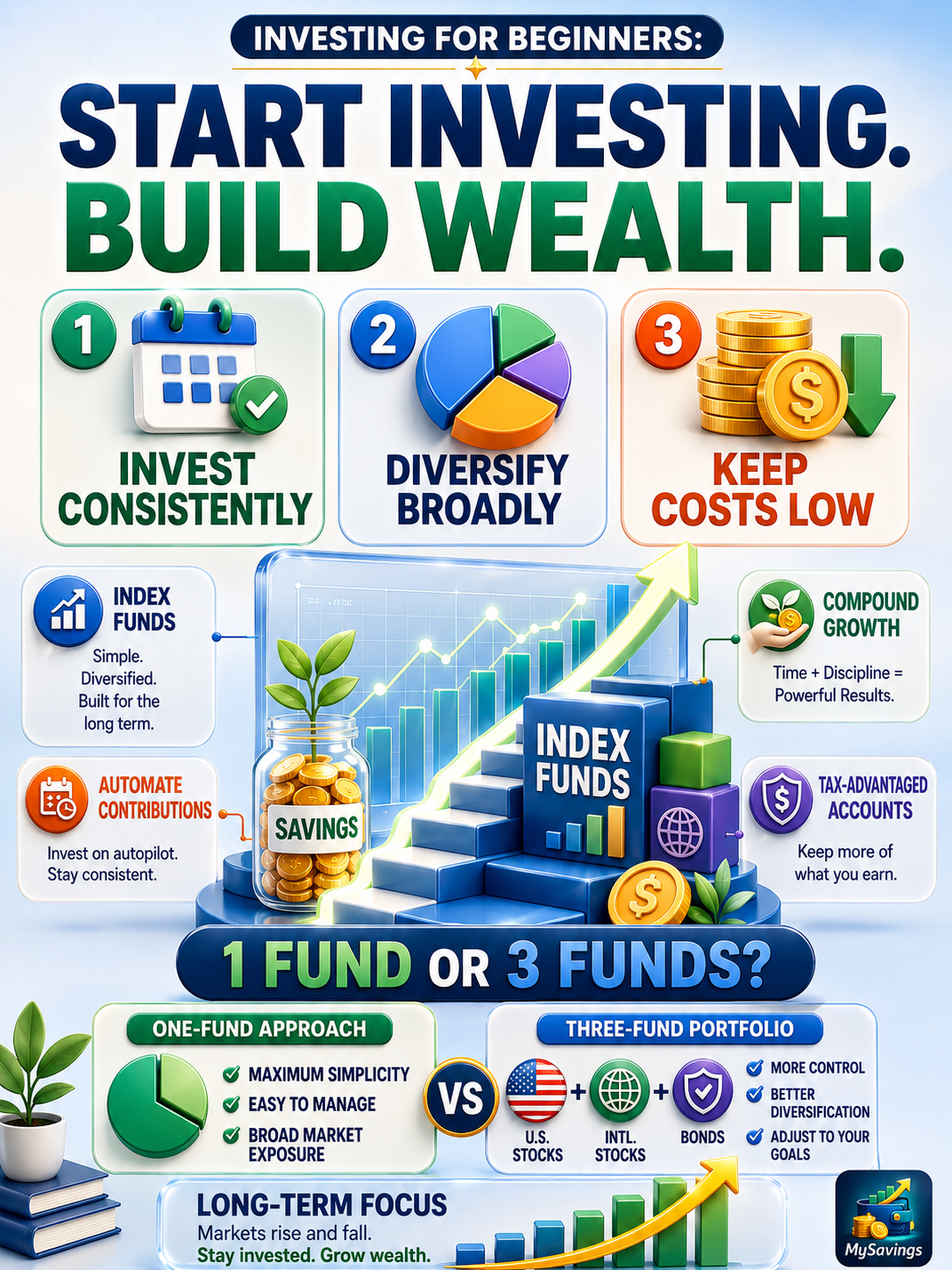
📊 Invest to Grow Your Wealth
Saving protects your money, but investing helps it grow.
After building an emergency fund and managing high-interest debt, consider allocating 10%–20% of your income toward investments that align with your financial goals and risk tolerance.
Investing allows your money to work for you through long-term growth.
📈 Stocks and Shares
Stock market investments have historically provided long-term wealth-building opportunities. Diversifying investments across industries and regions can help manage risk while pursuing steady returns.
🏦 High-Yield Fixed Deposits
Fixed deposits and high-interest savings products provide a lower-risk option for preserving capital while earning predictable returns.
These options may be suitable for individuals seeking stability or saving for medium-term goals.
🚀 Business and Side Hustles
Reinvesting profits into a business, freelance career, or side hustle can generate additional income streams and increase long-term earning potential.
Continuous learning, skill development, and business improvements often provide returns beyond traditional investments.
⚖️ A Simple Budget Allocation Framework
A balanced financial plan helps ensure every dollar has a purpose. While every household’s circumstances differ, the following framework provides a practical starting point.
💼 Income (100%)
Your total monthly income from all reliable sources.
🏡 Essential Needs (30%–40%)
✔️ Housing
✔️ Utilities
✔️ Groceries
✔️ Transportation
✔️ Communication
✔️ Healthcare
🛍️ Wants (5%–10%)
✔️ Shopping
✔️ Entertainment
✔️ Dining out
✔️ Subscriptions
✔️ Leisure activities
💳 Debt Repayment (Up to 30%)
✔️ Student loans
✔️ Credit cards
✔️ Vehicle loans
✔️ Personal loans
🐷 Savings (10%–20%)
✔️ Emergency fund
✔️ Short-term goals
✔️ Planned purchases
📈 Investments (10%–20%)
✔️ Stocks
✔️ Mutual funds
✔️ Fixed deposits
✔️ Retirement planning
✔️ Business growth
Remember that these percentages are flexible guidelines rather than strict rules. Adjust them according to your financial situation, income level, family responsibilities, and long-term objectives.
🌱 Smart Habits That Improve Financial Health
Good budgeting is built on consistent habits rather than occasional financial decisions.
📅 Review Your Budget Monthly
Income, expenses, and financial priorities change over time. Reviewing your budget each month helps ensure your spending remains aligned with your goals.
📲 Track Every Expense
Budgeting apps, spreadsheets, or even a notebook can reveal spending patterns that might otherwise go unnoticed.
Awareness is the first step toward better financial decisions.
🎯 Set Clear Financial Goals
Define specific objectives, such as:
💰 Saving for a home
🎓 Paying for education
🚗 Purchasing a vehicle
🌍 Planning a vacation
🏖️ Building retirement savings
Clear goals provide motivation and make budgeting more meaningful.
🚫 Avoid Lifestyle Inflation
As income increases, it’s tempting to increase spending at the same pace.
Instead, direct a portion of salary increases toward savings and investments to accelerate wealth creation.
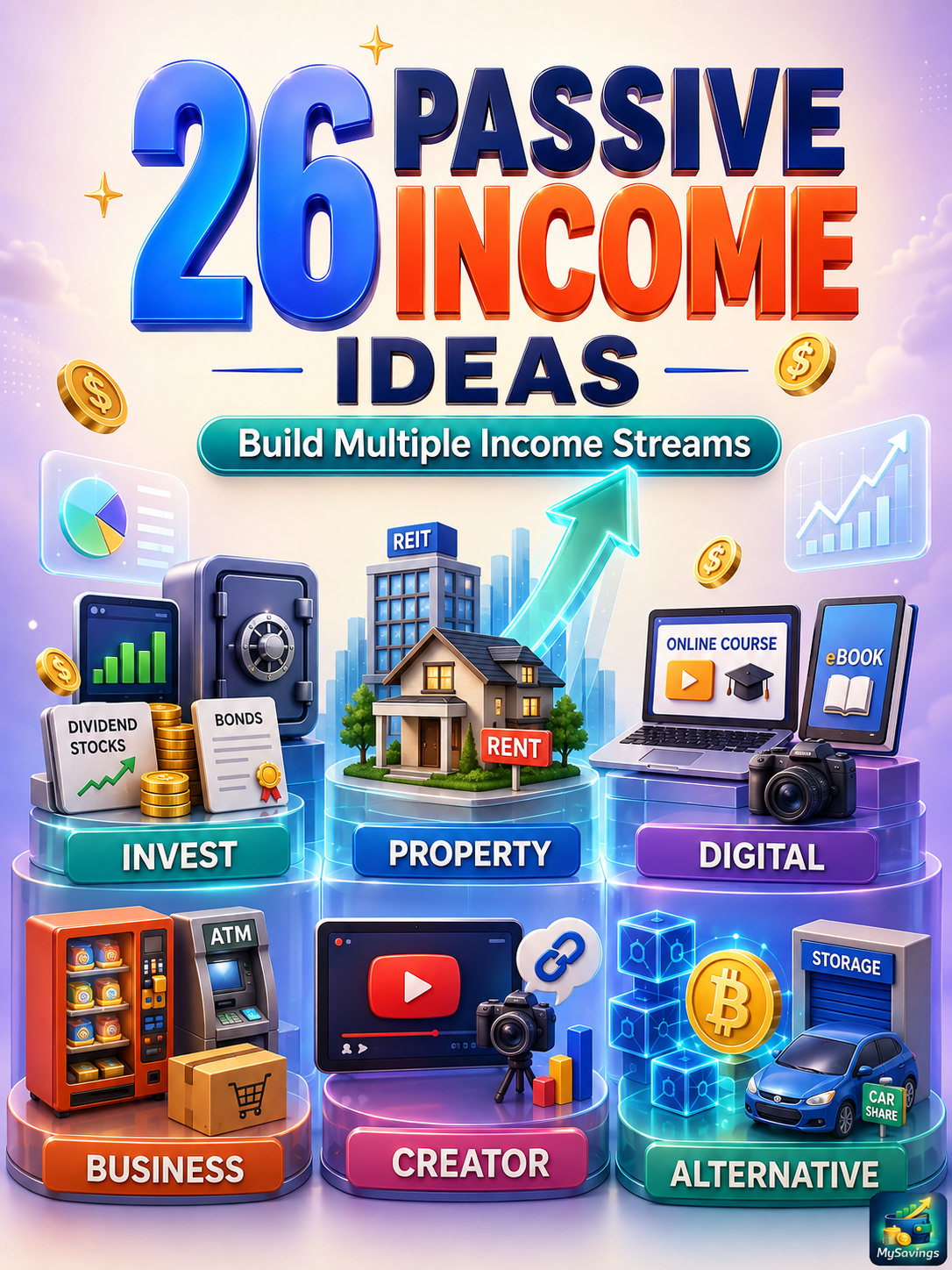
🤝 Diversify Your Income
Relying on a single income source increases financial risk.
Building additional income through freelancing, investments, digital products, consulting, or small businesses improves financial resilience.
❌ Common Budgeting Mistakes to Avoid
Many people struggle with money management because of avoidable mistakes.
🔴 Spending before saving
🔴 Ignoring small daily expenses
🔴 Depending heavily on credit cards
🔴 Failing to build an emergency fund
🔴 Not reviewing the budget regularly
🔴 Overspending on lifestyle upgrades
🔴 Investing without understanding the risks
Recognizing these habits early helps create a stronger financial foundation.
🎯 Final Thoughts
Financial success is not determined solely by how much money you earn—it depends on how effectively you manage it. A structured budget gives every dollar a purpose, helping you balance essential expenses, enjoy life’s pleasures responsibly, eliminate debt, prepare for emergencies, and build long-term wealth.
By understanding your income, controlling spending, saving consistently, and investing wisely, you create a financial system that supports both today’s needs and tomorrow’s ambitions. Small, disciplined actions repeated month after month often lead to remarkable results over time.
The best budget is one that is realistic, sustainable, and flexible enough to adapt as your financial situation evolves. Start with a clear plan, review it regularly, and make thoughtful adjustments along the way. Every smart financial decision today brings you one step closer to greater stability, confidence, and lasting financial freedom.