
💡 Holding too much cash could quietly reduce your financial potential over time. While cash offers convenience and liquidity, many modern investors and savers are shifting toward assets that can generate growth, income, stability, or long-term value. 🌍📊
This article explores 15 powerful assets that may outperform idle cash in today’s economy — from real estate, stocks, and index funds to gold, Bitcoin, education, intellectual property, and high-yield savings accounts. 🏡📚⚡
Learn how diversified assets can help protect purchasing power, create passive income opportunities, and build long-term financial security. Whether someone is starting their financial journey or looking to strengthen an existing portfolio, understanding these asset categories can provide valuable insight into smarter wealth-building strategies. 💎📈
Discover why modern wealth creation often depends less on holding cash — and more on owning assets that work continuously in the background. 🔥💰
🚀 Better Than Cash💰📈
Cash may feel safe, but leaving too much money sitting idle can slowly reduce purchasing power over time due to inflation and rising living costs. In today’s fast-changing financial world, many investors and financial experts focus on acquiring assets that can grow in value, generate income, or provide long-term stability.
From real estate and stocks to digital assets and education, smart asset ownership has become one of the strongest strategies for building sustainable wealth. Understanding how different assets work can help individuals make better financial decisions and create stronger long-term financial security.
This guide explores 15 assets that are often considered more valuable than simply holding cash.
🏡 1. Real Estate
Real estate remains one of the most popular long-term wealth-building assets. Property values often appreciate over time, while rental properties can create recurring monthly income.
Benefits of Real Estate
- Potential property appreciation
- Passive rental income
- Inflation protection
- Portfolio diversification
Residential properties, commercial spaces, and vacation rentals all offer different opportunities depending on market conditions and investment goals.
📈 2. Stocks
Stocks represent ownership in companies and can provide substantial long-term growth. Historically, strong companies have outperformed inflation and increased investor wealth over decades.
Why Stocks Matter
- Long-term capital growth
- Dividend income opportunities
- Easy accessibility through online brokers
- Broad industry exposure
Growth stocks, dividend stocks, and blue-chip companies each serve different investment strategies.
🪙 3. Gold
Gold has long been viewed as a store of value during uncertain economic periods. Many investors use gold to protect wealth during inflation, currency weakness, or market instability.
Advantages of Gold
- Inflation hedge
- Global recognition
- Long-term value preservation
- Portfolio balance during volatility
Gold can be purchased physically or through digital investment platforms and exchange-traded funds.
🥈 4. Silver
Silver offers many of the same advantages as gold but at a lower entry cost. In addition to being a precious metal, silver also has industrial uses in technology and manufacturing.
Why Investors Consider Silver
- More affordable than gold
- Industrial demand
- Inflation protection
- Potential long-term appreciation
Silver is often considered a strategic diversification asset.
₿ 5. Bitcoin
Bitcoin has become one of the most discussed digital assets in modern finance. While highly volatile, many investors see Bitcoin as a long-term alternative store of value.
Key Features of Bitcoin
- Limited supply
- Decentralized structure
- Increasing institutional adoption
- Digital scarcity
Cryptocurrency investments require careful risk management due to market volatility.
🏢 6. Rental Properties
Rental properties combine property ownership with cash flow generation. Long-term tenants can create recurring monthly income while the property itself may appreciate.
Benefits of Rental Investments
- Consistent rental income
- Asset appreciation potential
- Tax advantages in some regions
- Long-term wealth accumulation
Property management and maintenance costs should always be considered before investing.
🌾 7. Farmland
Farmland is increasingly attracting investors due to global food demand and limited agricultural land availability.
Why Farmland Is Valuable
- Essential global resource
- Potential income from leasing
- Lower correlation with stock markets
- Long-term appreciation
Agricultural investments can provide diversification and stability over time.
🛢️ 8. Commodities
Commodities include oil, natural gas, agricultural products, and industrial materials. These assets often perform differently from traditional stock markets.
Commodity Investment Advantages
- Inflation resistance
- Global demand exposure
- Portfolio diversification
- Economic cycle opportunities
Commodity investments can be accessed through funds, futures, or commodity-related companies.
🏪 9. Businesses
Owning a business can create significant long-term wealth. Businesses generate income, build equity, and can scale over time.
Reasons Business Ownership Builds Wealth
- Unlimited growth potential
- Cash flow generation
- Brand value creation
- Asset accumulation
Small businesses, online businesses, and franchises all offer different opportunities for entrepreneurs and investors.
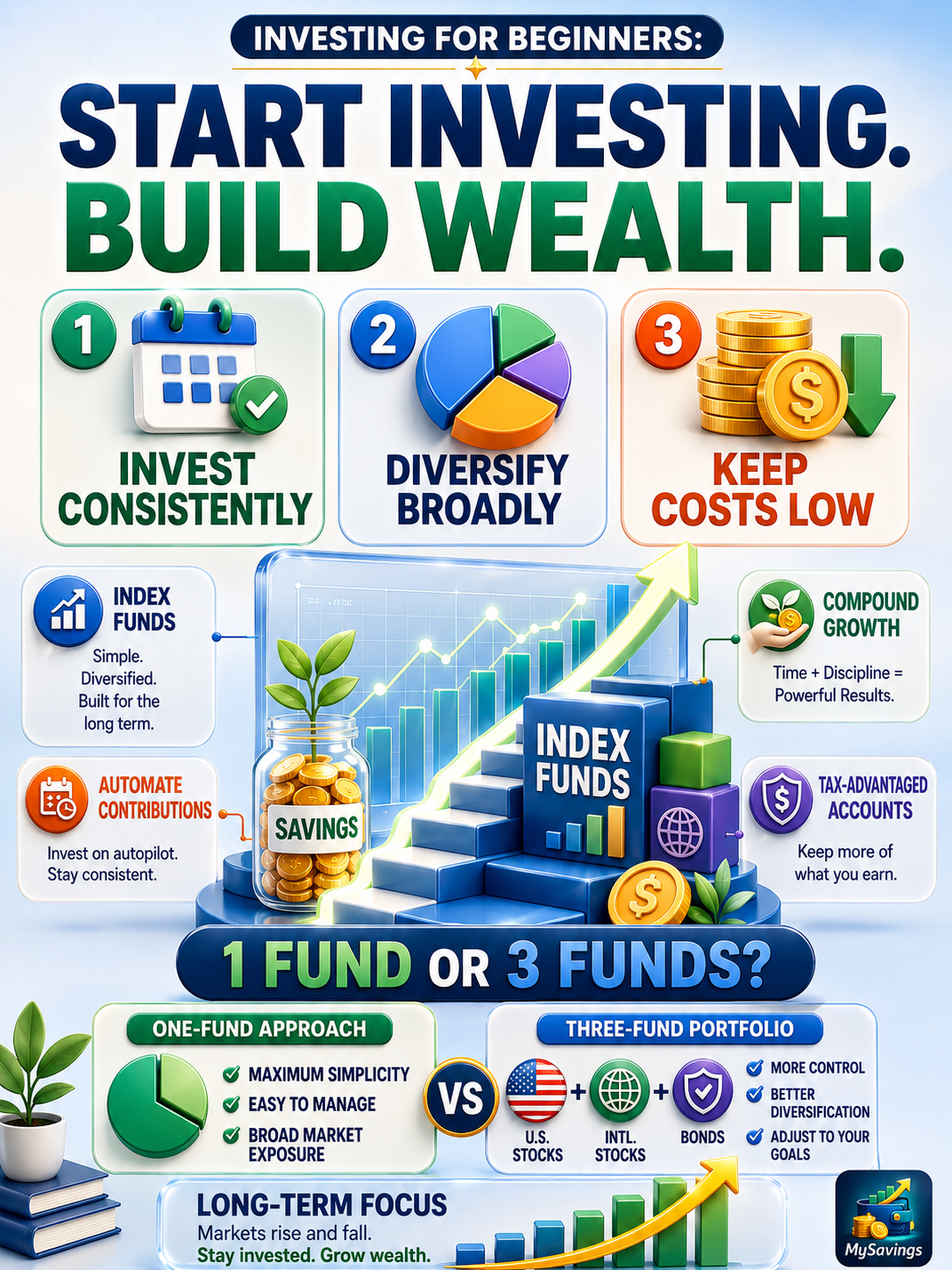
📊 10. Index Funds
Index funds provide diversified exposure to entire markets at relatively low cost. They are commonly recommended for long-term investors seeking steady growth.
Why Index Funds Are Popular
- Broad diversification
- Lower management fees
- Passive investing strategy
- Historical long-term growth
Index funds help reduce risk associated with individual stock selection.
🏦 11. Bonds
Bonds are generally considered lower-risk investments compared to stocks. Governments and corporations issue bonds to raise capital.
Bond Investment Benefits
- Predictable income
- Lower volatility
- Portfolio stability
- Capital preservation
Bonds often play an important role in balanced investment portfolios.
💡 12. Intellectual Property
Intellectual property includes patents, trademarks, copyrights, and digital products. In the digital economy, intellectual property can become a powerful income-generating asset.
Examples of Intellectual Property
- Online courses
- E-books
- Software
- Patents
- Music and media rights
These assets may continue generating revenue long after creation.
🧸 13. Collectibles
Rare collectibles can appreciate significantly over time depending on demand and scarcity.
Popular Collectible Categories
- Rare watches
- Art
- Vintage cars
- Trading cards
- Memorabilia
Collectibles require market knowledge and careful authentication.
💵 14. High-Yield Savings Accounts
While still cash-based, high-yield savings accounts provide better interest returns than traditional savings accounts.
Advantages
- Better interest earnings
- High liquidity
- Lower risk
- Emergency fund suitability
These accounts can help preserve purchasing power more effectively than standard savings accounts.
🎓 15. Education and Skills
Investing in knowledge and skills often produces some of the highest long-term returns.
Valuable Skill Investments
- Technology skills
- Financial literacy
- Digital marketing
- AI and automation
- Leadership development
Skills can increase earning potential, career opportunities, and business growth capacity.
🌍 Why Diversification Matters
Relying entirely on one asset class can increase financial risk. Diversification helps balance growth opportunities and stability across different economic conditions.
A Balanced Approach May Include
- Growth assets
- Income-producing assets
- Inflation-resistant assets
- Liquid savings
- Skill development investments
Building wealth often depends on combining multiple asset categories strategically.
📈 The Shift From Saving to Asset Ownership
Traditional saving remains important for emergencies and short-term needs. However, long-term financial growth often depends on owning assets that can appreciate or generate income.
Modern investors increasingly focus on:
- Passive income generation
- Inflation protection
- Long-term capital growth
- Multiple income streams
- Digital and physical asset diversification
Understanding different asset classes can help individuals create more resilient financial strategies.
🔥 Final Thoughts
Cash provides flexibility and security, but excessive cash holdings may limit long-term financial growth potential. Assets such as real estate, stocks, index funds, businesses, education, and intellectual property can offer opportunities for appreciation, income generation, and wealth preservation.
The most effective financial strategies often involve balancing liquidity with carefully selected assets that align with long-term goals and risk tolerance.
Building wealth is rarely about holding money still — it is often about putting resources into assets that continue working over time. 💰📊