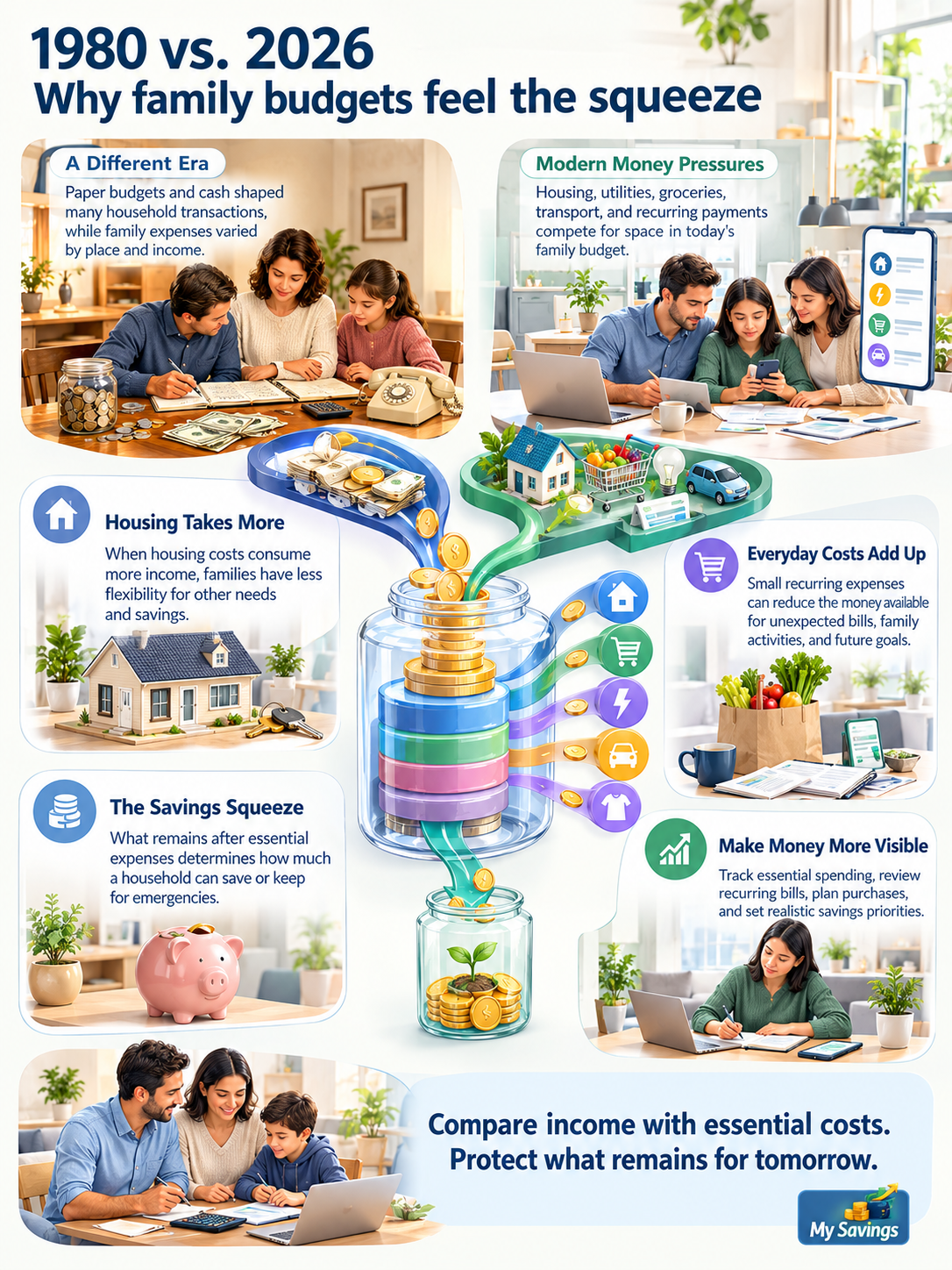
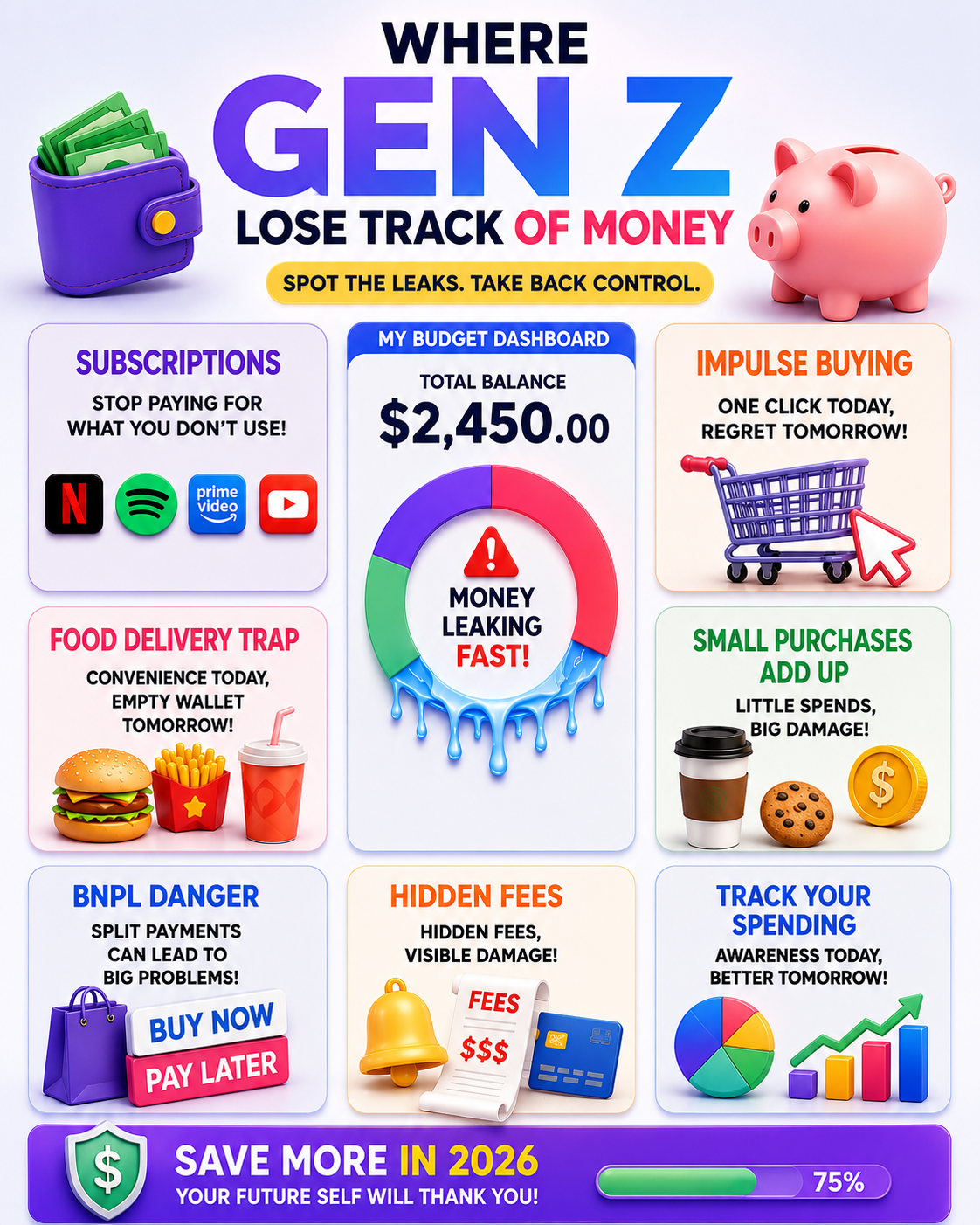
💰 Managing money today feels harder than ever for Gen Z, especially with subscriptions, food delivery apps, impulse shopping, rideshares, and “Buy Now, Pay Later” services quietly draining bank accounts. 📱💳 Many everyday expenses seem small individually, but together they create major financial leaks that can slow down savings goals and increase financial stress.
🚨 This guide breaks down the most common spending traps affecting young adults in 2026 and shares practical strategies to regain control of your budget without sacrificing your lifestyle. From hidden fees and recurring charges to social spending and daily coffee habits, you’ll learn how to identify unnecessary expenses, build smarter spending habits, and improve financial awareness. 📊✨
💡 Whether you’re trying to save more money, reduce overspending, or simply understand where your paycheck disappears each month, these budgeting tips can help create healthier financial habits and long-term stability. 🚀💵
💸 Gen Z Is Secretly Losing Money
Modern spending habits have changed dramatically over the last few years. With one-click shopping, digital subscriptions, instant food delivery, and flexible payment apps becoming part of daily life, it has become easier than ever to spend money without realizing how much is actually leaving your account.
For many Gen Z consumers, financial stress does not always come from major purchases. Instead, it often comes from small, recurring, and hidden expenses that slowly build up over time. A few dollars here and there may not seem significant in the moment, but repeated spending patterns can quietly damage long-term savings goals.
Understanding where money disappears is the first step toward building stronger financial habits. Here are the biggest spending traps affecting Gen Z in 2026 — and practical ways to regain control of your finances.
💳 Subscription Services Are Quietly Draining Bank Accounts
Streaming platforms, productivity apps, gaming memberships, cloud storage, fitness apps, and premium social media tools have become normal monthly expenses. The problem is that many people forget how many active subscriptions they actually have.
Small recurring charges often go unnoticed because they are automatically deducted from bank accounts or credit cards. Over time, these monthly fees can add up to hundreds or even thousands of dollars each year.
🚨 Common Subscription Problems
- Paying for multiple streaming services simultaneously
- Forgetting free trials before renewal dates
- Keeping unused premium memberships active
- Overlapping services that offer similar features
✅ Smart Ways to Reduce Subscription Waste
📌 Review Monthly Statements
Go through your bank account and identify every recurring payment currently active.
📌 Cancel Unused Services
If a subscription has not been used within the last 30 days, it may no longer provide enough value.
📌 Schedule Monthly Reviews
Adding a recurring reminder to check subscriptions can prevent unnecessary charges from accumulating.
Building awareness around recurring expenses is one of the fastest ways to improve monthly cash flow.
🍔 Food Delivery and Eating Out Can Destroy Budgets Fast
Food is one of the easiest categories to overspend on because small purchases feel harmless. Coffee runs, takeout meals, late-night delivery orders, and convenience snacks quickly become expensive habits.
Digital payment apps also reduce the emotional “pain” of spending, making it harder to recognize how much money is being spent weekly on food alone.
🚨 Why Food Spending Gets Out of Control
- Frequent delivery app usage
- Impulse coffee purchases
- Ordering convenience meals during busy schedules
- Overspending on dining with friends
✅ Better Budgeting Habits for Food Expenses
📌 Set Weekly Spending Limits
Decide on a realistic food budget before the week begins.
📌 Pack Meals Occasionally
Even bringing lunch from home a few times per week can create noticeable savings.
📌 Track Every Purchase
Recording snacks, drinks, and coffee purchases helps reveal spending patterns most people ignore.
Financial awareness improves significantly when every small expense becomes visible.
🚗 Transportation Costs Add Up Faster Than Expected
Transportation is another category where money disappears quietly. Fuel, rideshare services, parking fees, public transport passes, and maintenance costs often blend into daily routines.
Because transportation feels necessary, many people never evaluate whether their habits are financially efficient.
🚨 Hidden Transport Spending Habits
- Frequent rideshare usage for short distances
- Multiple small trips throughout the week
- Paying high parking fees regularly
- Ignoring cheaper transport alternatives
✅ Ways to Reduce Transportation Costs
📌 Track Transportation Spending
Log all travel expenses for one week to understand actual monthly costs.
📌 Combine Errands
Grouping activities together reduces unnecessary trips and fuel costs.
📌 Compare Alternatives
Public transport, carpooling, biking, or walking may significantly reduce expenses.
Small transportation adjustments can create major savings over time.
🛒 Impulse Shopping Is Easier Than Ever
Modern shopping apps are designed for speed and convenience. One-click checkout systems remove the natural pause that once helped people reconsider purchases.
Social media advertising and influencer-driven marketing also encourage emotional spending habits that prioritize instant gratification.
🚨 Signs of Impulse Spending
- Buying items immediately after seeing ads
- Shopping during boredom or stress
- Purchasing products without comparison shopping
- Frequently regretting purchases later
✅ Simple Ways to Control Impulse Buying
📌 Use the 24-Hour Rule
Wait at least one day before purchasing anything unplanned.
📌 Remove Saved Payment Methods
Adding friction to the checkout process can reduce unnecessary spending.
📌 Ask Long-Term Questions
Would the purchase still feel important next week or next month?
Pausing before purchases helps separate wants from actual needs.
🎉 Social Spending Often Gets Ignored
Concerts, weekend plans, dinners, birthdays, and group outings are important parts of social life. However, these activities can quickly become expensive when there is no dedicated spending plan.
Many people underestimate how much social activities cost over a month.
🚨 Common Social Spending Problems
- Overspending to avoid missing out
- Paying for spontaneous plans without budgeting
- Ignoring cumulative entertainment costs
- Feeling pressure to match friends’ spending habits
✅ Smarter Social Budgeting Tips
📌 Set Weekly Entertainment Budgets
Creating limits before social events reduces overspending.
📌 Suggest Affordable Alternatives
Movie nights, home gatherings, or outdoor activities can cost far less.
📌 Track Social Expenses Separately
Seeing the real monthly total helps create better awareness.
Healthy budgeting does not mean avoiding social experiences. It means planning for them intentionally.
💳 Buy Now, Pay Later Services Create False Affordability
“Buy Now, Pay Later” platforms have become extremely popular among younger consumers because they make expensive items feel more affordable.
The danger is that splitting payments can create the illusion that purchases fit comfortably within a budget when they actually do not.
🚨 Risks of BNPL Services
- Accumulating multiple installment payments
- Losing track of due dates
- Increasing financial stress from overlapping debts
- Overspending on non-essential items
✅ Safer Ways to Use BNPL
📌 Ask a Simple Question
Could you afford the purchase in full today?
📌 Keep a Running Payment List
Track all installment commitments in one place.
📌 Treat Installments Like Debt
Monthly payments should still count within your budget calculations.
Financial flexibility can become financial pressure if spending is not carefully managed.
☕ Small Daily Purchases Become Big Annual Expenses
Small purchases rarely feel dangerous because they appear inexpensive individually. However, consistent daily spending often creates surprisingly large yearly totals.
A coffee, snack, or quick convenience purchase may seem insignificant, but repeated habits matter.
🚨 Common Daily Spending Traps
- Daily coffee shop visits
- Convenience store purchases
- Vending machine snacks
- Frequent app-based micro purchases
✅ Practical Ways to Reduce Daily Spending
📌 Track Small Expenses for One Week
This creates immediate awareness of hidden spending habits.
📌 Identify the Biggest Repeating Expense
Focus on reducing one category at a time.
📌 Bring Items From Home
Preparing snacks or drinks in advance can dramatically lower costs.
Small habit changes often produce the biggest long-term results.
⚠️ Hidden Fees Quietly Damage Savings
Bank overdraft fees, late charges, automatic renewals, and account penalties are among the most overlooked financial problems.
Because these fees often appear unexpectedly, they can disrupt budgets and create unnecessary financial stress.
🚨 Common Hidden Fees
- Overdraft penalties
- Credit card late fees
- Auto-renewal charges
- International transaction fees
✅ How to Avoid Hidden Charges
📌 Enable Transaction Alerts
Real-time banking notifications improve financial awareness.
📌 Review Statements Monthly
Checking statements helps identify unusual or unnecessary charges.
📌 Use Payment Reminders
Automatic reminders reduce the risk of late fees.
Monitoring financial accounts regularly helps prevent small issues from becoming expensive problems.
📈 Why Financial Awareness Matters More Than Ever
Gen Z faces a financial environment filled with digital convenience, instant purchasing, and aggressive marketing. While these technologies simplify daily life, they also make overspending easier and less visible.
The key to stronger financial health is not extreme restriction. Instead, it comes from awareness, intentional spending, and consistent budgeting habits.
Tracking where money goes creates opportunities to:
- Build emergency savings
- Reduce financial stress
- Improve long-term stability
- Reach personal financial goals faster
- Develop healthier money habits
The small financial decisions made daily often have the biggest impact over time.
💡 Final Thoughts
Most financial leaks are not caused by massive purchases. They are caused by repeated everyday habits that slowly drain income without attracting attention.
Subscriptions, food delivery, rideshares, impulse shopping, BNPL services, and hidden fees can quietly damage financial progress when left unmanaged.
The good news is that small adjustments can create major results. By tracking expenses, setting spending limits, reviewing subscriptions, and becoming more intentional with purchases, Gen Z consumers can regain control of their finances and create stronger saving habits for the future. 🚀💵