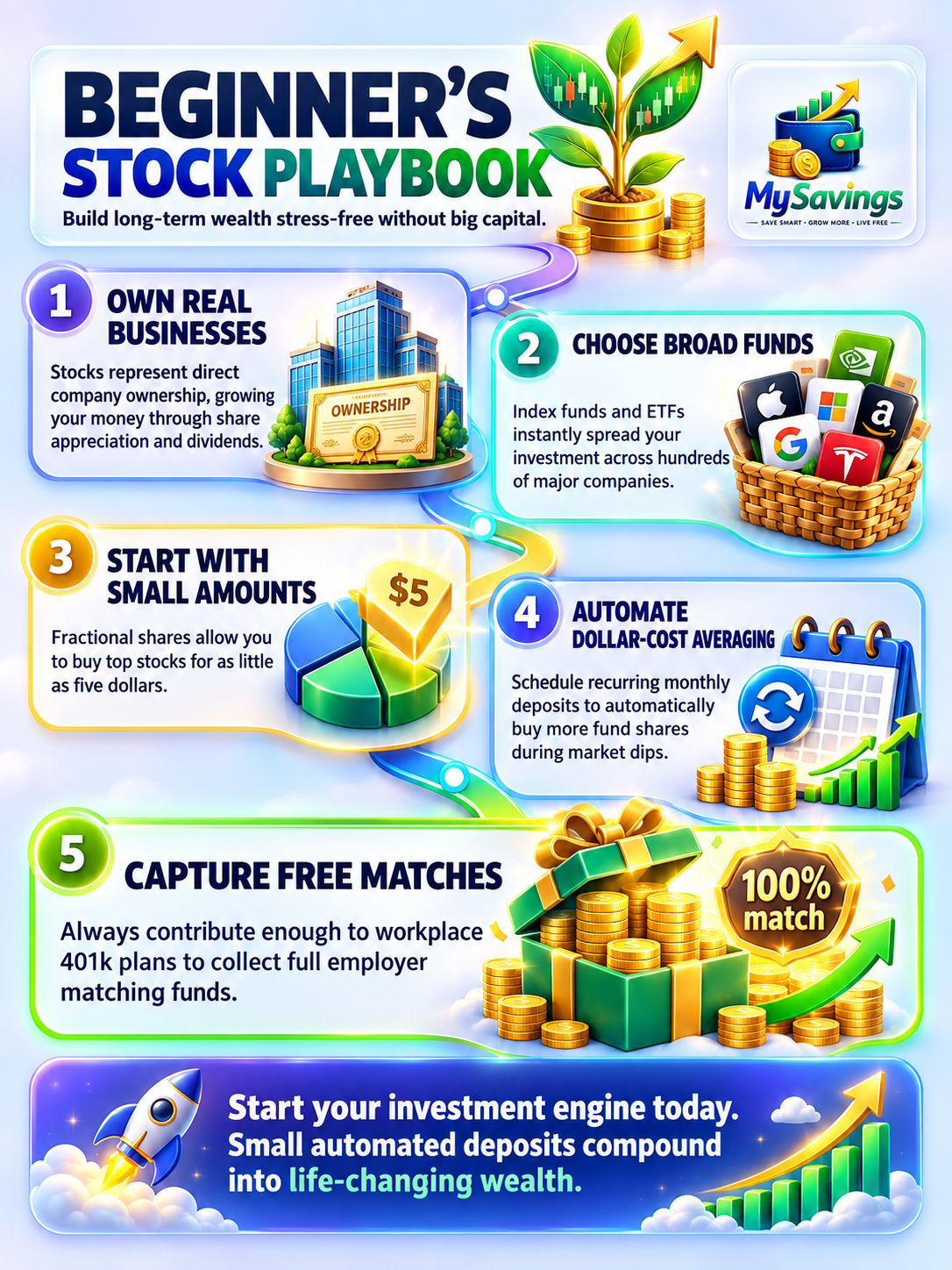

💡 Building financial confidence doesn’t require a dramatic lifestyle change it starts with small, consistent actions. This 30-day financial challenge is designed to help you develop smarter money habits, reduce unnecessary spending, increase savings, and create a stronger financial foundation. 📈 From reviewing expenses and eliminating wasteful purchases to understanding compound interest, investing early, and managing debt, each daily task encourages practical improvements that can lead to long-term financial success. 💰 Whether you’re beginning your financial journey or looking to strengthen your money management skills, these daily challenges are simple, actionable, and easy to follow. 🌱 By completing one step each day, you’ll gradually improve budgeting, saving, investing, and spending decisions while building greater financial discipline. 🚀 Start today and discover how small daily financial improvements can create lasting wealth, increased financial security, and better control over your future.
How Can a 30-Day Financial Challenge Improve Your Money Habits?
Financial success isn’t determined by how much money you earn—it often depends on how well you manage it. Developing healthy financial habits takes time, consistency, and a willingness to make smarter choices every day.
Many people struggle with budgeting, saving, and controlling expenses simply because they lack a structured approach. The good news is that lasting financial improvement doesn’t require major sacrifices. Small, intentional actions performed consistently can produce significant long-term results.
This 30-Day Money Challenge provides one practical financial task each day. Each challenge builds upon the previous one, helping you improve spending habits, strengthen savings, reduce debt, and begin planning for future wealth.
Whether your goal is financial stability, reducing money-related stress, or preparing for future investments, these daily activities can help create habits that last well beyond the first month.
💵 Why a 30-Day Financial Challenge Works
Short-term challenges are effective because they encourage consistency without becoming overwhelming.
Instead of attempting to change every financial habit at once, you focus on one manageable improvement each day. Over time, these small actions become automatic behaviors that contribute to better financial health.
Some benefits include:
✨ Better control over spending
📊 Improved budgeting skills
💰 Higher savings rate
📈 Increased investment awareness
🛡️ Stronger financial security
🚀 Long-term wealth-building habits
📅 Days 1–10: Build a Strong Financial Foundation
Day 1 – Set a Savings Rate from Your Salary
The first step toward financial stability is paying yourself first.
Choose a realistic percentage of every paycheck to save before spending on discretionary items. Even saving 10–20% consistently can significantly improve your financial future.
Consider:
🔹 Automating transfers into a savings account
🔹 Creating separate emergency and long-term savings
🔹 Increasing your savings rate whenever your income grows
The key is consistency rather than perfection.
Day 2 – Review Your Expenses Carefully
Understanding where your money goes is essential.
Analyze your bank statements, mobile payment history, and credit card transactions from the previous month.
Look for:
💳 Subscription services
🍔 Frequent food deliveries
🛍️ Impulse purchases
🚕 Transportation costs
🎮 Entertainment spending
Once you identify spending patterns, you’ll know where improvements can be made.
Day 3 – Cancel Unnecessary Expenses
After reviewing your finances, eliminate expenses that no longer provide value.
Ask yourself:
✅ Do I actually use this subscription?
✅ Does this purchase improve my life?
✅ Can I find a cheaper alternative?
Small recurring expenses often consume hundreds of dollars annually without being noticed.
Reducing unnecessary costs frees more money for savings and investing.
Day 4 – Avoid Buying Unnecessary Items
Impulse buying is one of the biggest obstacles to financial growth.
Before purchasing anything that isn’t essential, pause and ask:
💭 Do I really need this?
💭 Can I wait 24 hours?
💭 Is there a less expensive option?
Using a waiting period before non-essential purchases often reduces emotional spending.
Day 5 – Have a Zero-Spending Day
Challenge yourself to spend absolutely nothing for one full day.
Instead of shopping or ordering food:
🏡 Cook meals at home
🚶 Go for a walk
📚 Read a book
🎬 Watch free entertainment
🎧 Listen to podcasts
Zero-spending days help reset spending habits while proving that enjoyment doesn’t always require money.
Day 6 – List Your Long-Term Financial Goals
Financial decisions become easier when your goals are clearly defined.
Write down objectives such as:
🏠 Buying a home
🎓 Funding education
🌍 Traveling
💼 Starting a business
👴 Retirement planning
Include estimated costs and target dates.
Clear goals provide motivation to save consistently.
Day 7 – Find a Way to Earn Extra Income
Increasing income can accelerate financial progress faster than only reducing expenses.
Explore opportunities like:
💻 Freelancing
🖥️ Online services
📷 Content creation
🛒 Selling unused items
🎨 Digital products
📖 Tutoring
Even modest side income can significantly improve savings over time.
Day 8 – Learn to Negotiate
Negotiation is an underrated financial skill.
You can negotiate:
📱 Phone plans
🌐 Internet services
🚗 Insurance premiums
🏠 Rent
🛍️ Major purchases
Many companies offer discounts simply because customers ask.
Improving negotiation skills can reduce expenses throughout your lifetime.
Day 9 – Understand Compound Interest
Compound interest is one of the most powerful concepts in personal finance.
It allows your money to generate returns, which then generate additional returns over time.
The earlier you begin saving and investing, the greater the long-term growth potential.
Key principles include:
📈 Start early
🔄 Invest consistently
⏳ Stay invested for the long term
Patience is one of the greatest financial advantages.
Day 10 – Open a High-Yield Savings Account
Not all savings accounts offer the same benefits.
A high-yield savings account can help your emergency fund grow faster while keeping your money accessible.
When comparing accounts, evaluate:
🏦 Interest rates
💵 Minimum balance requirements
📱 Mobile banking features
🔒 Security and deposit protection
Choosing the right savings account ensures your money works harder while remaining safe.
📅 Days 11–20: Strengthen Your Financial Security
Day 11 – Create an Emergency Fund Plan
Unexpected expenses are a part of life, making an emergency fund one of the most important financial safety nets.
Begin by estimating your essential monthly expenses, including housing, food, transportation, utilities, and insurance. Aim to gradually build savings that can cover at least three to six months of these costs.
Focus on:
🛡️ Setting a realistic savings target
💰 Automating monthly contributions
🏦 Keeping emergency funds separate from daily spending accounts
🚨 Using the fund only for genuine emergencies
An emergency fund reduces financial stress and helps avoid unnecessary debt during unexpected situations.
Day 12 – Review Your Credit Card Debt
Credit card balances with high interest rates can quickly become expensive if left unmanaged.
Take time to list every credit card, its outstanding balance, interest rate, and minimum monthly payment.
Prioritize:
💳 Paying more than the minimum payment whenever possible
📈 Targeting high-interest balances first
📅 Making payments on time to protect your credit history
🚫 Avoiding new unnecessary debt
Reducing high-interest debt frees more income for saving and investing.
Day 13 – Compare Prices Before Buying
Smart shoppers rarely purchase the first product they see.
Before making significant purchases, compare prices across multiple retailers, online marketplaces, and local stores.
Consider:
🛍️ Product quality
💵 Discounts and promotions
🚚 Shipping costs
⭐ Customer reviews
🔄 Warranty coverage
Taking a few extra minutes to compare prices can produce meaningful savings over time.
Day 14 – Cook More Meals at Home
Dining out frequently can significantly increase monthly expenses.
Preparing meals at home often costs less while allowing better control over ingredients and portion sizes.
Simple ways to save include:
🍲 Meal planning for the week
🥗 Preparing lunches in advance
🛒 Buying groceries with a shopping list
🥘 Cooking larger portions for future meals
Small changes in food spending can make a noticeable difference to your overall budget.
Day 15 – Explore Free Entertainment
Having fun doesn’t always require spending money.
Many communities offer enjoyable activities at little or no cost.
Ideas include:
📚 Visiting libraries
🌳 Exploring local parks
🎨 Attending free community events
🎬 Watching free educational content
🚶 Taking nature walks
Choosing affordable entertainment helps maintain a balanced lifestyle while supporting financial goals.
📈 Days 16–20: Begin Building Long-Term Wealth
Day 16 – Learn About Different Investments
Investing allows your money to grow over time and supports long-term financial goals.
Spend time learning about common investment options such as:
📊 Stocks
🏢 Exchange-Traded Funds (ETFs)
📉 Bonds
🏠 Real Estate Investment Trusts (REITs)
💼 Mutual Funds
Understanding the risks and potential returns of each investment helps you make informed financial decisions.
Knowledge is the first step toward becoming a confident investor.
Day 17 – Start Investing Early
Time is one of the greatest advantages in investing.
Starting early allows investments to benefit from long-term growth and the effects of compound returns.
Keep these principles in mind:
⏳ Invest consistently
💵 Begin with amounts you can comfortably afford
📅 Contribute regularly
📈 Think long term instead of chasing short-term market movements
Small investments made consistently often outperform large investments made much later.
Day 18 – Diversify Your Investments
Putting all your money into one investment increases financial risk.
Diversification spreads investments across different assets, industries, and markets, helping reduce the impact of poor performance from any single investment.
A diversified portfolio may include:
📊 Stocks
🏦 Bonds
🌍 International investments
🏠 Property-related assets
💼 Index funds
Diversification supports more stable long-term financial growth.
Day 19 – Create a Retirement Plan
Retirement planning should begin as early as possible.
Estimate the lifestyle you want during retirement and calculate approximately how much income you’ll need.
Consider:
👴 Retirement age
💰 Monthly retirement expenses
📈 Investment contributions
🏦 Pension or retirement accounts
📅 Annual financial reviews
Regular planning increases the likelihood of achieving financial independence later in life.
Day 20 – Understand Your Taxes
Taxes influence many aspects of personal finance.
Learning basic tax concepts can help you manage income more efficiently while remaining compliant with local regulations.
Areas worth understanding include:
📄 Income tax
💼 Employment taxes
🏠 Property taxes
💳 Tax deductions where applicable
📅 Important filing deadlines
Improving tax knowledge supports better financial planning throughout the year.
💼 Days 21–30: Master Long-Term Money Management
Day 21 – Avoid Payday Loans
Payday loans often carry extremely high interest rates and can create ongoing financial challenges.
Instead, consider alternatives such as:
🏦 Emergency savings
👨👩👧 Support from family when appropriate
🤝 Credit unions
📋 Structured repayment plans
Building an emergency fund is usually a more sustainable solution than relying on short-term high-cost borrowing.
Day 22 – Discuss Investing with Friends
Learning from others can expand your financial knowledge.
Talk with financially responsible friends or colleagues about topics such as:
💬 Investment strategies
📊 Budgeting methods
📈 Market trends
📚 Useful financial books and educational resources
Healthy financial discussions often introduce new ideas while encouraging continuous learning.
Day 23 – Practice Delayed Gratification
One of the strongest financial habits is resisting unnecessary immediate purchases.
Before buying expensive non-essential items:
⏳ Wait 24–72 hours
📝 Evaluate whether the purchase aligns with your goals
💰 Compare alternatives
🎯 Decide based on long-term value rather than impulse
Patience often results in better purchasing decisions and increased savings.
Day 24 – Explore Cashback Rewards
Cashback programs can provide modest savings on planned purchases.
Before joining any program, compare:
💳 Cashback percentages
🛒 Eligible purchases
📅 Reward expiration policies
💰 Annual fees
Remember that cashback should complement responsible spending—not encourage additional purchases.
Day 25 – Create a Money Management Plan
Every successful financial strategy begins with a clear plan.
Your plan should include:
📊 Monthly budget
💰 Savings goals
📈 Investment contributions
💳 Debt repayment strategy
🎯 Long-term financial objectives
Review the plan regularly and adjust it as your financial situation changes.
Day 26 – Review the Value of Your Assets
Understanding your financial position requires knowing what you own.
Create a list of assets such as:
🏠 Property
🚗 Vehicles
💰 Savings accounts
📈 Investment portfolios
💎 Valuable personal belongings
Regular asset reviews help measure financial progress over time.
Day 27 – Sell Unused Items
Many households contain items that are no longer needed.
Selling unused possessions can:
📦 Reduce clutter
💰 Generate extra income
♻️ Extend the useful life of products
🛒 Fund savings or debt repayment goals
Consider selling electronics, furniture, clothing, or hobby equipment you no longer use.
Day 28 – Review Your Bank Fees
Banking costs can quietly reduce your savings.
Check your accounts for:
🏦 Monthly maintenance fees
💳 ATM charges
💸 Transfer fees
📄 Account service charges
If necessary, compare financial institutions offering lower fees and better features.
Day 29 – Develop Good Money Habits
Financial success is built through consistent daily behavior rather than occasional major decisions.
Healthy habits include:
📅 Tracking expenses regularly
💰 Saving before spending
📈 Investing consistently
📝 Reviewing financial goals
📚 Continuing financial education
Strong habits create lasting financial confidence.
Day 30 – Stay Disciplined
Completing this challenge is only the beginning.
The greatest financial improvements occur when these daily habits become permanent parts of your lifestyle.
Remember:
🏆 Consistency produces results.
📈 Small improvements accumulate over time.
💰 Every smart financial decision strengthens your future.
🚀 Financial freedom is achieved through patience, planning, and disciplined execution—not overnight success.
🌟 Key Takeaways
The 30-Day Money Challenge demonstrates that meaningful financial progress is achieved through consistent action rather than dramatic changes. From building an emergency fund and reducing debt to investing wisely and developing disciplined spending habits, each daily task contributes to a stronger financial foundation.
The journey doesn’t end after 30 days. Continue reviewing your budget, increasing your savings, expanding your financial knowledge, and refining your long-term goals. Over time, these habits can improve financial resilience, support wealth creation, and provide greater confidence in managing money.
By applying these practical strategies consistently, you’ll be better prepared to handle financial challenges, seize new opportunities, and work toward lasting financial security.