💡 Navigating the modern economic landscape requires a strategic shift in how young professionals manage their wealth. As 2026 unfolds, Gen Z is redefining financial success through disciplined spending and sustainable consumption. 💸 This comprehensive guide explores six foundational pillars of fiscal responsibility, ranging from the psychology of “small treats” to the economic benefits of the circular economy. 🌍 By prioritizing intentionality such as delaying gratification, leveraging sales cycles, and choosing thrifting over fast fashion individuals can build a robust financial foundation. 🛠️ Whether it is reducing digital distractions or mastering the art of repair, these rules are designed to optimize savings and foster long-term stability. 📊 Discover how to transform daily habits into powerful wealth-building tools and why finishing what you start is the ultimate secret to professional and financial growth. 🌟 Your journey to financial independence starts with these actionable, modern-day strategies. 🚀
The financial landscape of 2026 is characterized by rapid digital evolution and shifting economic paradigms. For Generation Z, achieving financial independence is no longer just about earning a high salary; it is about the mastery of micro-habits and the adoption of a sustainable lifestyle. To thrive in this environment, one must move beyond traditional budgeting and embrace a holistic approach to money management. This article outlines six critical money rules that serve as a blueprint for financial success in 2026.
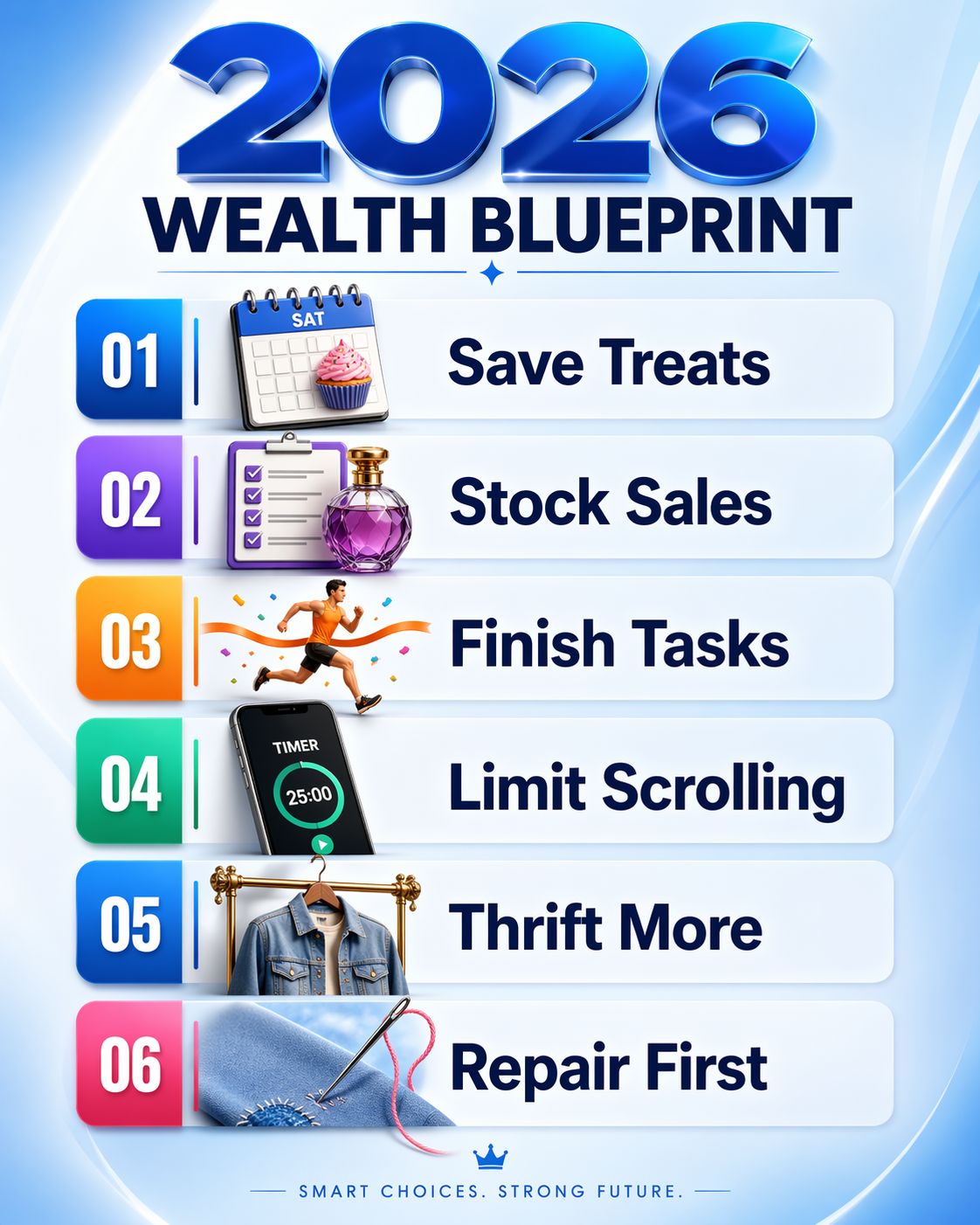
1. The Strategy of Delayed Gratification: Weekend Treats
In a world of instant delivery and “one-click” purchases, the concept of the “small treat” has become a significant drain on weekly budgets. While a daily gourmet coffee or a mid-week pastry may seem negligible, these costs compound over time. The 2026 money rule suggests a shift: eliminating small treats during the work week and saving them for the weekend.
This approach serves two purposes. First, it creates a clear psychological boundary between the discipline of the work week and the relaxation of the weekend. Second, it significantly boosts the monthly savings rate. By treating these rewards as a “weekend-only” event, their value increases, and the financial impact decreases.
2. Strategic Inventory Management: The Sale Cycle
Modern consumers often fall into the trap of impulse buying when they see a “limited-time offer.” However, the most successful savers in 2026 utilize a “favourite items” list. By maintaining a curated list of necessities ranging from skincare and fragrances to tech essentials you can wait for seasonal sales or liquidations to restock.
Purchasing at full price is increasingly seen as a failure of planning. Monitoring price trends and understanding retail cycles allows for high-quality living at a fraction of the cost. This rule ensures that you are never “panic buying” at a premium price.
3. The Completion Principle: Finish What You Start
Financial waste often manifests as half-finished projects, unused gym memberships, or abandoned online courses. The rule is simple: if you start something, finish it. This applies to both consumption and production.
Finishing a bottle of vitamins before buying a new supplement, or completing a professional certification before enrolling in another, prevents “clutter spending.” Furthermore, the habit of completion builds the discipline necessary for long-term investment strategies, where patience and persistence are the primary drivers of compound interest.
4. Digital Intentionality: Scrolling with Purpose
In 2026, time is the most valuable currency. Excessive scrolling on platforms like Instagram often leads to “lifestyle creep” the desire to spend money to match the curated lives of others. The rule for the modern era is to only engage with social media when there is truly no higher-priority task to attend to.
By reclaiming time spent in the digital void, individuals can focus on side hustles, financial education, or skill acquisition. Reducing exposure to targeted advertisements and influencer marketing also naturally reduces the urge for impulsive consumption.
5. The Thrifting Revolution: Beyond the Mall
The shift from malls and outlets to thrifting and second-hand marketplaces is one of the most significant economic trends of the decade. Thrifting is no longer just about cost-savings; it is a statement of fiscal and environmental intelligence.
Shopping at outlets often involves buying lower-quality items manufactured specifically for discounts. In contrast, thrifting allows for the acquisition of high-quality, durable goods at a significantly lower price point. This supports the circular economy and keeps capital within the individual’s pocket rather than in the hands of fast-fashion conglomerates.
6. The Art of Repair: Extending Lifecycle Value
Discarding an item because of a minor defect is a habit of the past. The final money rule for 2026 is to attempt a repair before discarding. Whether it is a piece of clothing, a household appliance, or a digital device, extending the life of an object by even one year can result in thousands of dollars of savings over a lifetime.
The “Right to Repair” movement has made parts and tutorials more accessible than ever. Mastering basic repair skills is a direct investment in your net worth, reducing the frequency of replacement cycles and fostering a mindset of stewardship over your possessions.
Summary
Navigating 2026 requires a blend of traditional frugality and modern intentionality. By adopting these six rules delaying treats, planning for sales, finishing projects, limiting digital distractions, prioritizing thrifting, and embracing repair Gen Z can build a resilient financial future. Savings are not just about the money you keep; they are about the habits you build.