Introduction
In today’s economic climate, financial literacy is more important than ever. Understanding personal finance principles can dramatically improve financial security and long-term wellbeing. This article outlines 10 evidence-based personal finance lessons that provide a roadmap to better money management, wealth building, and financial confidence. These lessons distill educator advice into actionable insights you can apply right now.
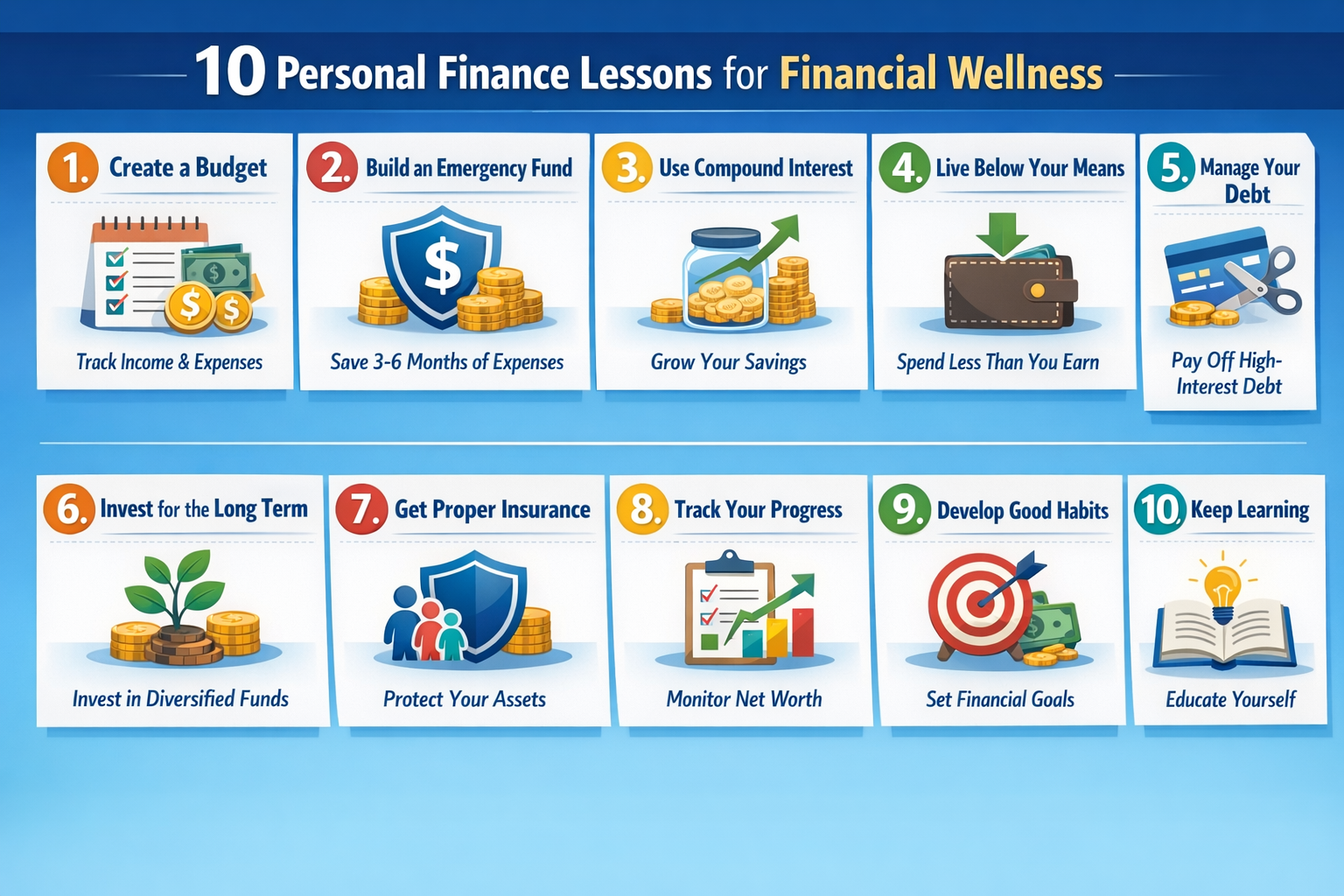
1. Create a Strong Budget: The Foundation of Financial Control
Every effective financial plan begins with a clear, realistic budget. Budgeting lets you track income vs. expenses, helping you allocate money where it matters most. Key elements include:
- Listing all income streams
- Recording fixed and variable expenses
- Setting monthly saving targets
A well-structured budget gives you visibility into how your money flows and highlights opportunities to adjust spending and prioritize savings.
2. Build an Emergency Fund First
An emergency fund is a cash reserve used exclusively for unexpected expenses like medical bills, car repairs, or job loss. Financial planners often recommend saving 3–6 months’ worth of living expenses. Emergency funds provide:
- Financial resilience
- Reduced reliance on debt
- Peace of mind
This fund should be liquid (easy to access) and separate from everyday spending accounts.
3. Save Consistently Using the Power of Compound Interest
Saving is more than holding money — it’s about making money work for you. Compound interest means your savings earn returns, and those returns themselves earn more over time. Starting early dramatically increases your long-term balance thanks to compounding.
Compound growth rewards patience and consistency, turning small contributions into significant wealth over years.
4. Live Below Your Means — Spend Less Than You Earn
Frugality doesn’t mean deprivation. It means making conscious spending choices that align with values and goals. Living below your means frees up more money to save and invest. Practical strategies include:
- Reducing discretionary spending
- Avoiding lifestyle inflation
- Comparing prices before buying
This mindset shift creates financial flexibility and sustainable wealth growth.
5. Manage Debt Strategically
Not all debt is equal:
- Good debt can include low-interest, growth-enhancing borrowing like student loans or mortgages
- Bad debt refers to high-interest consumer debt such as credit cards
Effective debt management requires prioritizing high-interest paydown, avoiding unnecessary credit, and negotiating lower rates when possible.
6. Invest for the Long Term
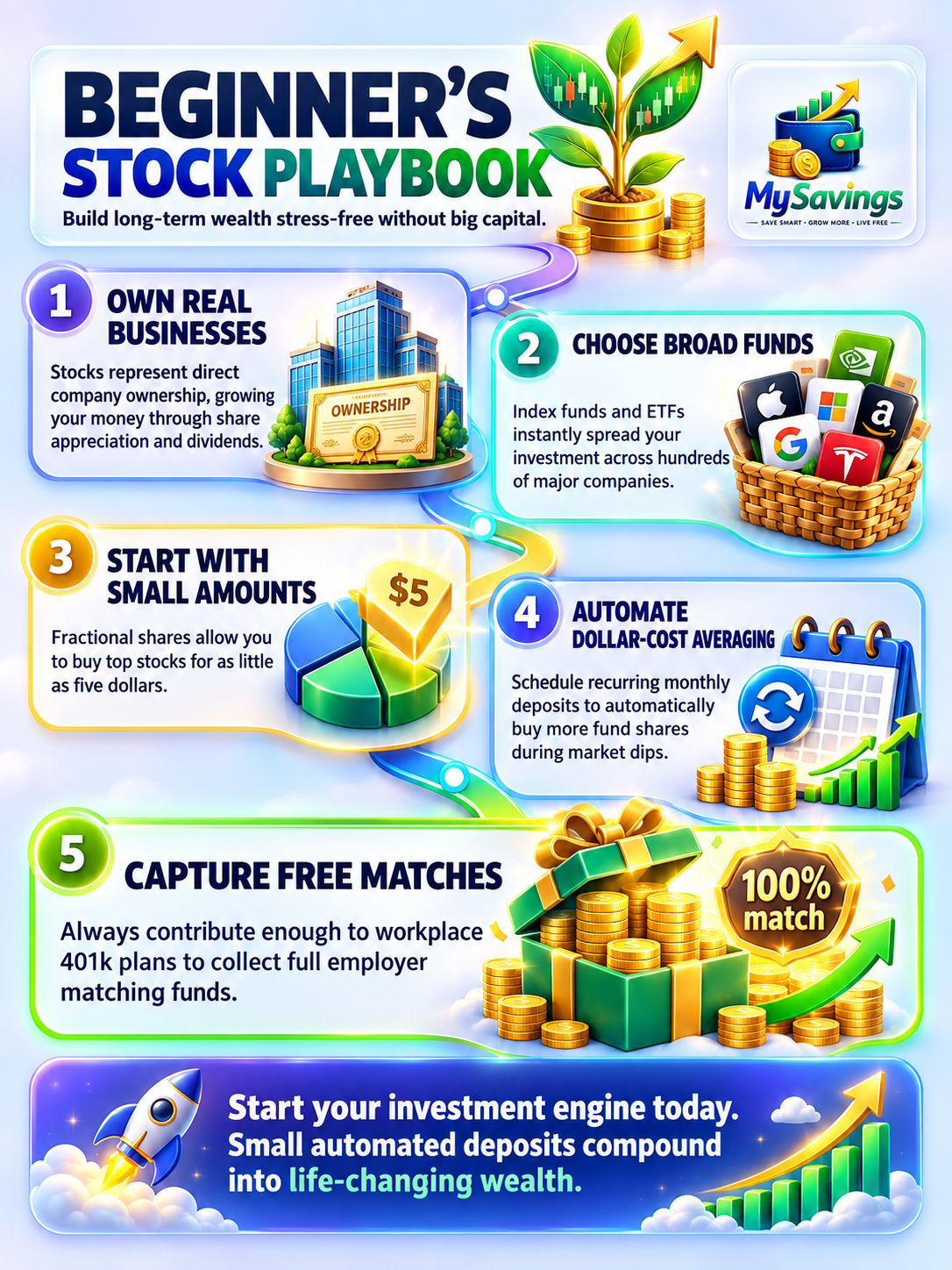
Investing is key to building wealth beyond savings accounts. Start with broad-based, low-cost options like index funds or diversified portfolios tied to overall market performance. Long-term investing reduces short-term volatility and harnesses market growth.
Basic principles include:
- Buy and hold strategies
- Diversification
- Understanding risk tolerance
8. Track Progress With Financial Metrics
Good financial decisions are measurable. Keep track of key indicators such as:
- Net worth
- Savings rate
- Debt-to-income ratio
- Investment performance
Regular review ensures your strategies remain effective and aligned with evolving goals.
9. Cultivate Healthy Money Habits
Financial success depends as much on psychology as it does numbers. Healthy money habits include:
- Setting clear financial goals
- Avoiding impulsive purchases
- Reviewing finances monthly
These habits create consistency and intentionality in financial decisions.
10. Seek Ongoing Financial Education
The financial world evolves, and so should your knowledge. Stay informed on topics like tax strategies, retirement planning, and investing basics. Combining education with action amplifies long-term results.
Regularly consult reputable sources like financial blogs, books, or certified advisors for up-to-date guidance.
Conclusion
Developing financial literacy isn’t instantaneous, but focusing on key personal finance lessons provides a strong foundation for financial stability and growth. Mastering budgeting, saving, investing, and risk management equips you with the tools to achieve financial goals faster and with confidence. Apply these strategies consistently, and your financial future becomes more secure and predictable.