Personal Finance Tips for Working Adults
The following are additional effective strategies for building wealth and securing your financial future:
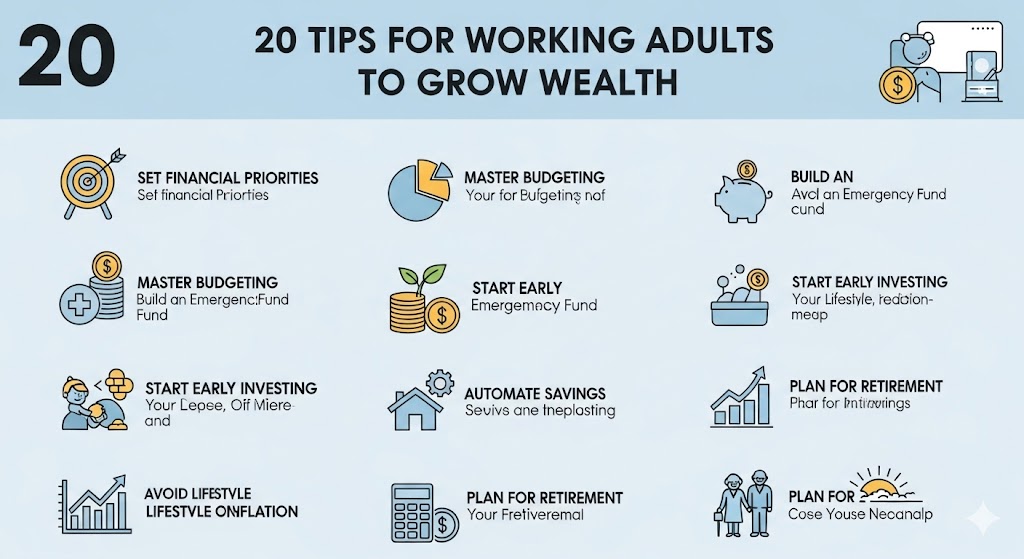
Track your spending: Keep a detailed record of where your money is going each month to identify areas where you can cut back and save more.
Create a budget: Establish a monthly budget that outlines your income, expenses, and savings goals.
Set financial goals: Clearly define your short-term and long-term financial objectives to stay motivated and focused on building wealth.
Save consistently: Make saving a priority by setting up automatic transfers to your savings account each month.
Pay yourself first: Allocate a portion of your income towards savings before spending on other expenses.
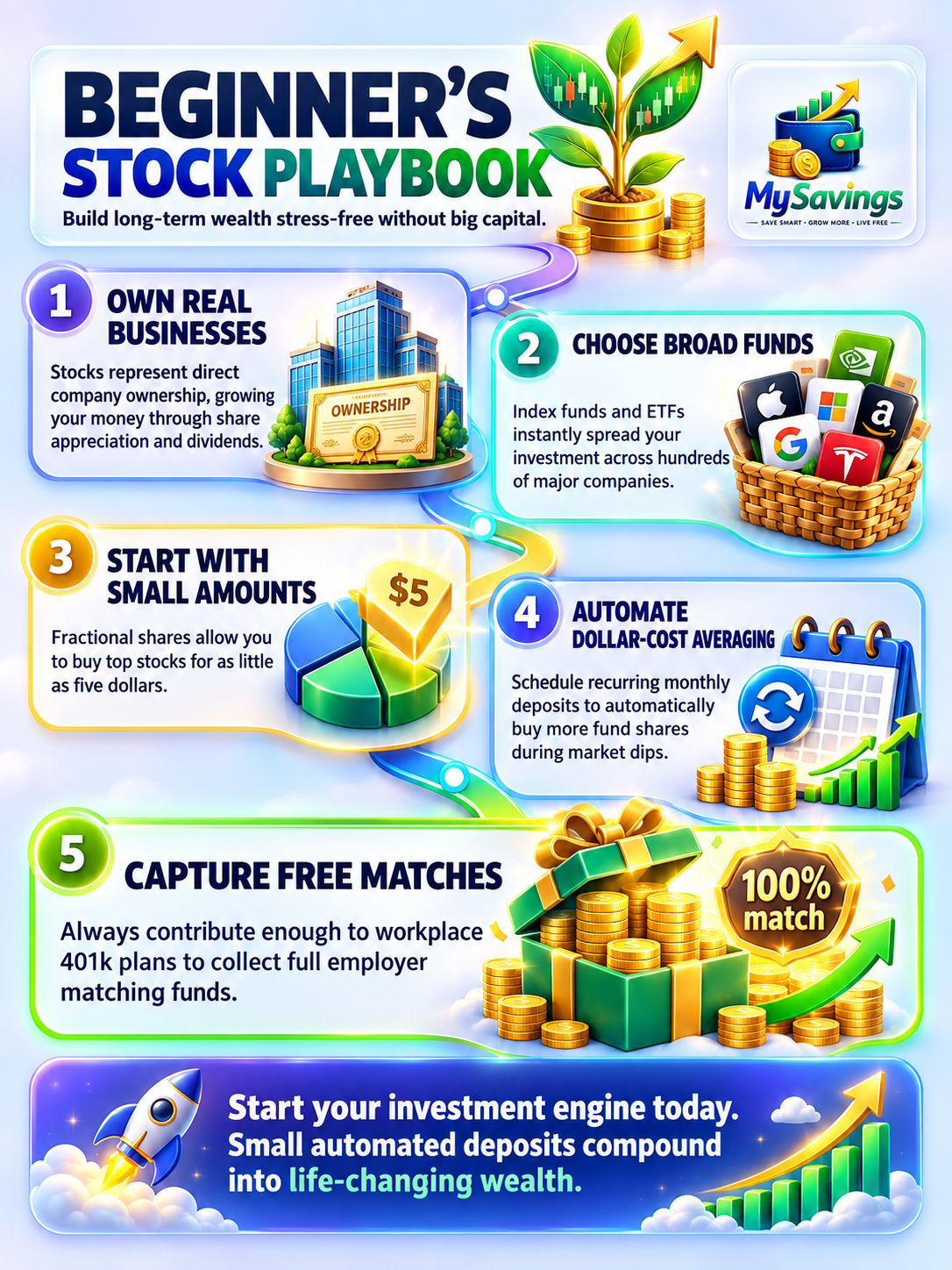
Maximize retirement contributions: Contribute the maximum amount allowed to your retirement accounts, such as a 401(k) or IRA, to take advantage of tax benefits and compound interest.
Invest wisely: Diversify your investment portfolio and choose investments that align with your risk tolerance and financial goals.
Reduce debt: Prioritize paying off high-interest debt, such as credit card balances, to save money on interest payments.
Cut unnecessary expenses: Review your monthly bills and eliminate any non-essential expenses to free up more money for savings and investments.
Increase your income: Look for opportunities to boost your income through side hustles, freelancing, or career advancement.
Build an emergency fund: Save at least three to six months’ worth of living expenses in an easily accessible emergency fund to cover unexpected costs.
Monitor your credit score: Regularly check your credit score and report to ensure it remains healthy, which can help you access better rates on loans and credit cards.
Take advantage of employer benefits: Utilize employer-sponsored benefits like health savings accounts, flexible spending accounts, or stock purchase plans.
Review your insurance coverage: Ensure you have adequate insurance coverage, including health, life, disability, and property insurance, to protect your finances from unforeseen events.
Educate yourself: Stay informed about personal finance topics, investment strategies, and economic trends to make informed financial decisions.
Avoid lifestyle inflation: As your income grows, resist the temptation to increase your spending proportionally and instead focus on saving and investing more.
Automate your finances: Use technology to set up automatic bill payments, savings transfers, and investment contributions to streamline your financial management.
Seek professional advice: Consider consulting with a financial advisor or planner to receive personalized guidance on achieving your financial goals.
Continuously reassess your financial plan: Regularly review and adjust your financial plan as your circumstances change to ensure you remain on track to meet your goals.
Practice patience and discipline: Building wealth takes time and requires consistent effort, so stay disciplined and patient in your financial journey.
Don’t be afraid to ask for help and set goals
Financial management is a learning experience. Don’t hesitate to seek guidance from your parents, a banker, or college financial aid advisors. Set clear financial goals, such as saving for a trip or paying off a loan, to make managing your money more motivating