Cursus iaculis etiam in
Affiliate marketing has shifted from “random link posting” to a sophisticated content-driven business. In 2025 and 2026, the key to success is no longer just finding a product, but building a “trust bridge” between a specific problem and a solution.
Here is the deep dive into how to build a modern affiliate income stream:
1.The Two Major Paths: High-Ticket vs. Low-Ticket
The first decision you must make is what kind of “volume” you want to manage.
- Low-Ticket (High Volume):
- Examples: Amazon products, books, clothes, small gadgets.
- Commission: Usually 1% to 10%.
- Pros: Easier to “click and buy” for customers; low resistance.
- Strategy: Requires massive traffic (TikTok, SEO blogs, Pinterest).
- High-Ticket (Low Volume):
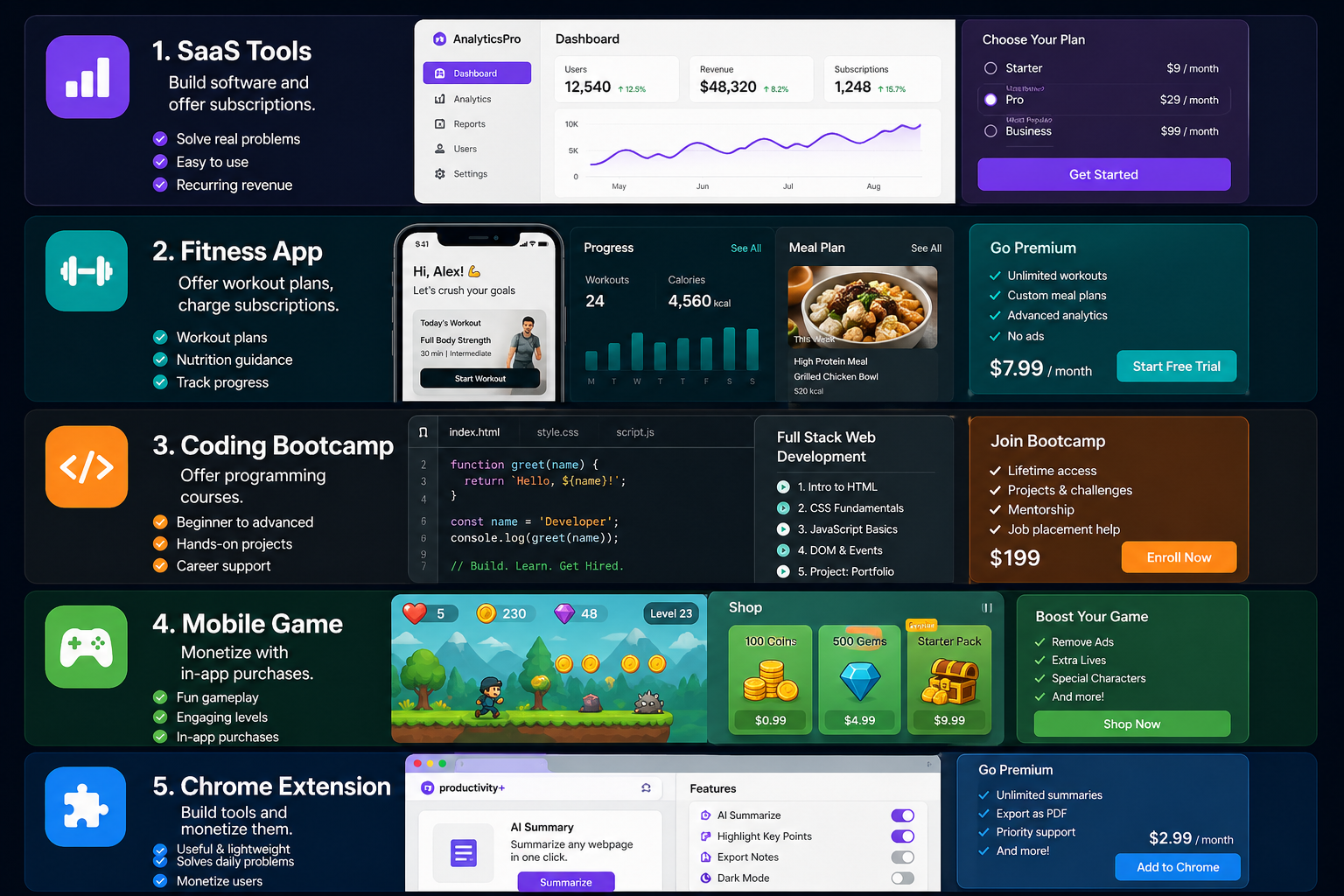
- Examples: Enterprise software (SaaS), luxury travel, online certification courses.
- Commission: $100 to $1,000+ per sale, or recurring monthly cuts.
- Pros: You only need a few sales a month to make a full-time income.
- Strategy: Requires deep trust, detailed reviews, and usually an email list.
2. The Most Profitable Niches for 2026
In 2026, the “Evergreen” niches remain the most profitable, but they have evolved:
- AI Tools & Productivity: Helping businesses find and set up AI automation (e.g., Notion, Jasper, specialized AI CRM tools).
- Personal Finance: Wealth management, credit cards, and “FinTech” apps.
- Health & Biohacking: Supplements, wearable tech (Oura, Whoop), and specialized diets.
- Remote Work / Creator Economy: Selling the tools people need to start their own businesses (web hosting, cameras, microphones).
3. The “Build Once” Workflow
To make affiliate marketing truly passive, you must build a system that works while you sleep.
- Pick a “Core Platform”: Choose one (e.g., a YouTube channel, a Niche Blog, or a Substack newsletter).
- Identify “Pain Points”: Don’t just list products. Answer a question: “What is the best laptop for a traveling photographer under $1,200?”
- Create “Comparison” Content: These are the highest-converting pieces of content. People searching for “Product A vs. Product B” are already standing there with their credit cards out.
- Capture the Lead: This is the secret step. Don’t just send them to the link; offer a free “Cheat Sheet” or “Guide” in exchange for their email. Now you can recommend future products to them for free via email.
4. Top Platforms to Join (2025/2026)
| Platform | Best For… | Typical Payout |
| Amazon Associates | Beginners & Physical Goods | 1–10% |
| PartnerStack | SaaS & Tech Tools (High Ticket) | 15–30% (Often Recurring) |
| Impact Radius | Big Brands (Adidas, Walmart, etc.) | Varies |
| ClickBank | Digital Courses & Health | Up to 75% |
| Shopify Affiliate | Business/E-commerce tools | $150+ per referral |
5. A Modern Warning: The “AI Search” Era
As of late 2025, search engines like Google and AI tools (like the one you’re using now) prioritize real human experience.
Pro Tip: To rank well and earn trust today, your content must include “Information Gain.” This means sharing something the AI can’t just guess—like your own photos of the product, a video of you using it, or a specific “hack” you discovered. Generic reviews are being replaced by AI; personal authority is where the money is.
My Savings