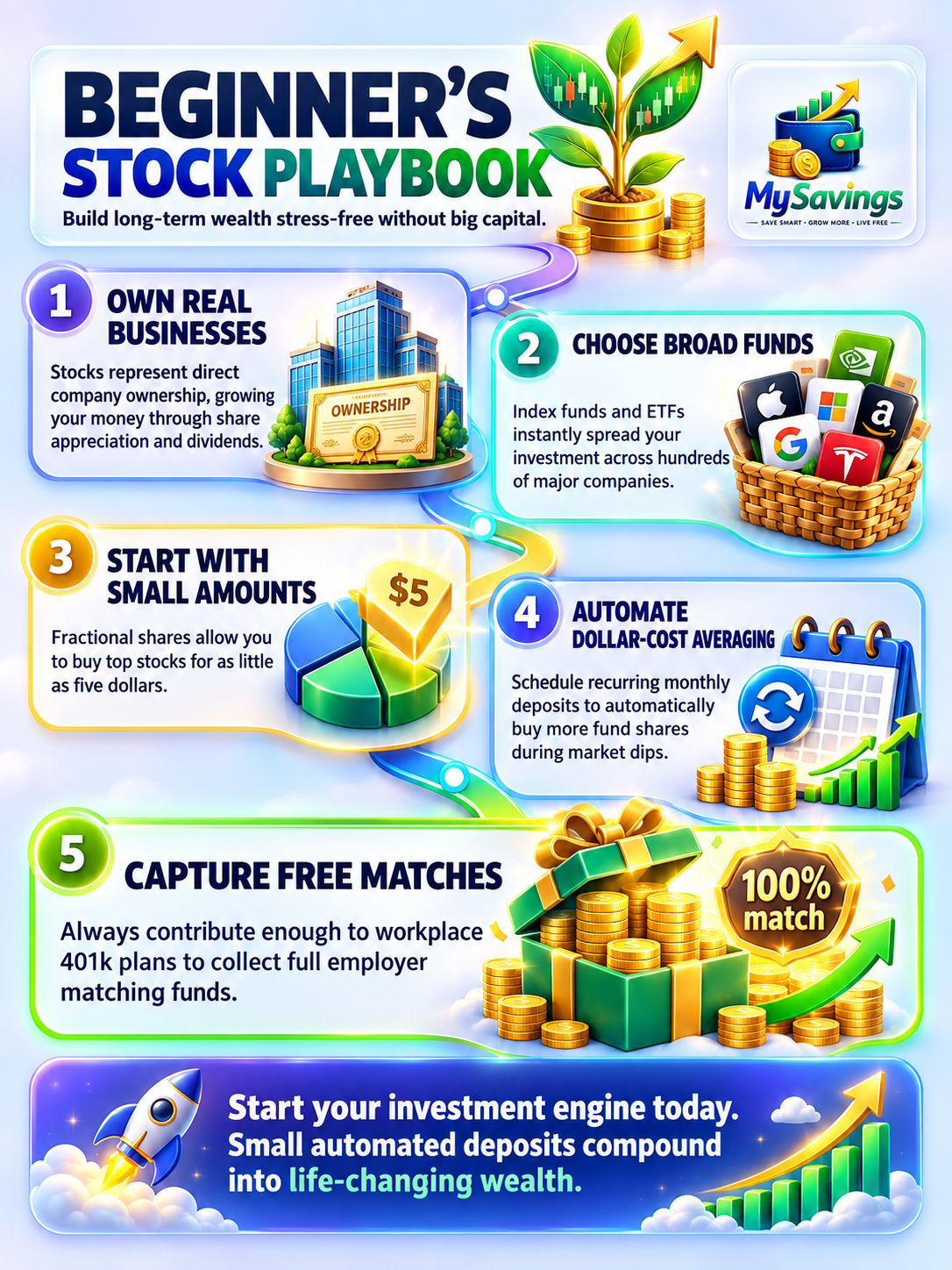

💡 Building wealth is rarely about luck it’s about consistent financial habits practiced over time. This article explores six powerful money principles that can transform financial stability, improve long-term wealth, and protect future opportunities. From protecting your credit score to understanding how relationships affect finances, each lesson highlights practical strategies for smarter money management. Readers will also learn why long-term thinkers prioritize assets, how financial habits formed in your 20s shape future success, and why simple routines often outperform complicated strategies. The article explains the difference between saving and investing while emphasizing sustainable financial growth, passive income potential, and disciplined decision-making. Whether someone is beginning their financial journey or refining existing habits, these timeless wealth-building concepts provide a strong foundation for achieving greater security, stability, and financial independence in today’s changing economy. 🚀💵
💰 6 Financial Truths That Quietly Build Wealth Over Time 📈
Money management is often portrayed as complicated, fast-moving, and dependent on perfect timing. In reality, lasting financial success usually comes from simple habits repeated consistently for years. Wealth is rarely built overnight. Instead, it grows through disciplined decisions, long-term thinking, and strong financial behavior.
Many people focus on increasing income while overlooking the habits that protect and multiply money over time. Small decisions about credit, relationships, spending, investing, and routines can have a greater long-term impact than chasing short-term financial trends.
These six financial truths provide a practical framework for building stability, protecting wealth, and creating financial freedom in a sustainable way.
🛡️ Protect Your Credit Score Like Your Reputation
A credit score is more than just a number. It affects access to loans, interest rates, housing opportunities, and even financial flexibility during emergencies. Building a strong credit history can take years, while damaging it may happen within months.
Financial institutions use credit scores to evaluate reliability and risk. A higher score often results in lower borrowing costs, better loan approvals, and stronger financial options.
Why Credit Scores Matter
A strong credit score can help individuals:
- Qualify for lower interest rates
- Access better mortgage opportunities
- Increase borrowing power
- Improve approval chances for rentals
- Reduce long-term debt costs
On the other hand, missed payments, high credit utilization, and unnecessary debt can quickly reduce financial credibility.
Smart Ways to Protect Credit
✔️ Pay Bills on Time
Payment history is one of the most important factors affecting credit scores.
✔️ Keep Credit Utilization Low
Using too much available credit signals financial stress.
✔️ Avoid Unnecessary Debt
Borrow only when necessary and manageable.
✔️ Monitor Credit Reports Regularly
Reviewing reports helps identify errors and detect fraud early.
Financial stability often begins with protecting the systems that support future opportunities.
❤️ Your Partner Influences Your Financial Future
Money habits are heavily influenced by the people closest to us. Financial compatibility in relationships can affect savings goals, spending behavior, debt management, and long-term security.
A financially responsible partner may encourage discipline, planning, and stability. In contrast, conflicting financial values can create stress and slow progress toward shared goals.
Financial Compatibility Matters
Healthy financial relationships often involve:
- Open communication about money
- Shared financial priorities
- Responsible spending habits
- Long-term planning
- Emergency preparedness
Choosing a financially stable and goal-oriented partner can positively influence budgeting, investing, and wealth creation.
Important Financial Conversations
Couples should discuss:
- Savings goals
- Debt responsibilities
- Spending habits
- Investment plans
- Retirement expectations
Strong financial alignment creates a foundation for long-term security and reduces unnecessary financial pressure.
📊 Long-Term Thinkers Buy Assets First
One of the most important wealth-building principles is understanding the difference between assets and liabilities.
Assets generate value or income over time. Liabilities typically cost money and reduce financial flexibility.
What Are Assets?
Examples of assets include:
- Investments
- Stocks
- Real estate
- Businesses
- Savings that generate interest
- Income-producing projects
Assets work to increase wealth even when a person is not actively working.
What Are Liabilities?
Common liabilities include:
- High-interest debt
- Expensive consumer purchases
- Unnecessary subscriptions
- Rapidly depreciating items
Long-term financial thinkers prioritize acquiring assets before increasing lifestyle expenses.
Why Assets Matter
Assets create:
- Passive income opportunities
- Financial security
- Wealth growth
- Future flexibility
- Stronger retirement planning
Financial independence becomes easier when money consistently works instead of remaining idle.
⏳ Your 20s Shape Your Financial Future
Financial habits formed early in adulthood often influence long-term stability for decades.
The choices made during the 20s—saving, budgeting, investing, and debt management—can significantly affect financial opportunities later in life.
Why Early Financial Habits Matter
Time is one of the most powerful tools in wealth building. Starting early allows investments and savings to benefit from long-term growth and compounding.
Small financial decisions repeated consistently can create substantial results over time.
Important Financial Habits to Build Early
💵 Create a Budget
Tracking expenses improves financial awareness and spending control.
📈 Start Investing Early
Even small investments can grow significantly over long periods.
🚫 Avoid Lifestyle Inflation
Increasing expenses too quickly can limit savings potential.
🏦 Build an Emergency Fund
Emergency savings improve financial resilience.
📚 Improve Financial Education
Understanding investing, debt, taxes, and budgeting strengthens decision-making.
The financial habits developed early often determine future stability, flexibility, and opportunities.
🔄 Wealth Is Built Through Simple, Consistent Routines
Many successful financial strategies are surprisingly repetitive. Wealth creation often depends less on dramatic actions and more on consistency.
Small routines repeated over years usually outperform short-term excitement and risky financial behavior.
The Power of Automation
Automating finances helps reduce emotional spending and improves consistency.
Effective Financial Routines Include:
- Automatic savings transfers
- Scheduled investment contributions
- Monthly budgeting reviews
- Debt repayment planning
- Regular expense tracking
Automation reduces the need for constant decision-making and keeps financial progress moving steadily.
Why Simplicity Works
Complex financial systems are harder to maintain consistently. Simple routines are easier to repeat and sustain over time.
Financial growth often rewards patience, discipline, and consistency more than speed.
🚀 Saving Money Is Good — Investing Money Creates Freedom
Saving money is essential for security, but investing helps money grow over time.
Inflation gradually reduces the purchasing power of cash sitting idle. Investing allows money to potentially increase in value and create long-term financial growth.
The Difference Between Saving and Investing
| Saving | Investing |
|---|---|
| Focuses on safety | Focuses on growth |
| Useful for emergencies | Useful for long-term wealth |
| Lower risk | Higher potential returns |
| Easily accessible | Requires time and patience |
Both saving and investing play important roles in financial planning.
Why Investing Matters
Investing can help:
- Build long-term wealth
- Generate passive income
- Outpace inflation
- Support retirement goals
- Increase financial independence
Common Investment Options
- Index funds
- Stocks
- Bonds
- Real estate
- Retirement accounts
Starting small and investing consistently often matters more than waiting for the perfect moment.
🌍 Financial Freedom Comes From Consistent Decisions
Financial success is rarely determined by one major decision. It is usually shaped by thousands of small actions repeated consistently over time.
Protecting credit, choosing financially responsible relationships, prioritizing assets, building strong habits early, maintaining routines, and investing wisely all contribute to long-term financial stability.
The most effective wealth-building strategies are often simple, sustainable, and focused on the future rather than short-term results.
Money management is not about perfection. It is about building systems and habits that gradually improve financial strength year after year.
Those who think long term, remain disciplined, and focus on consistent progress often place themselves in the strongest position for lasting financial freedom.