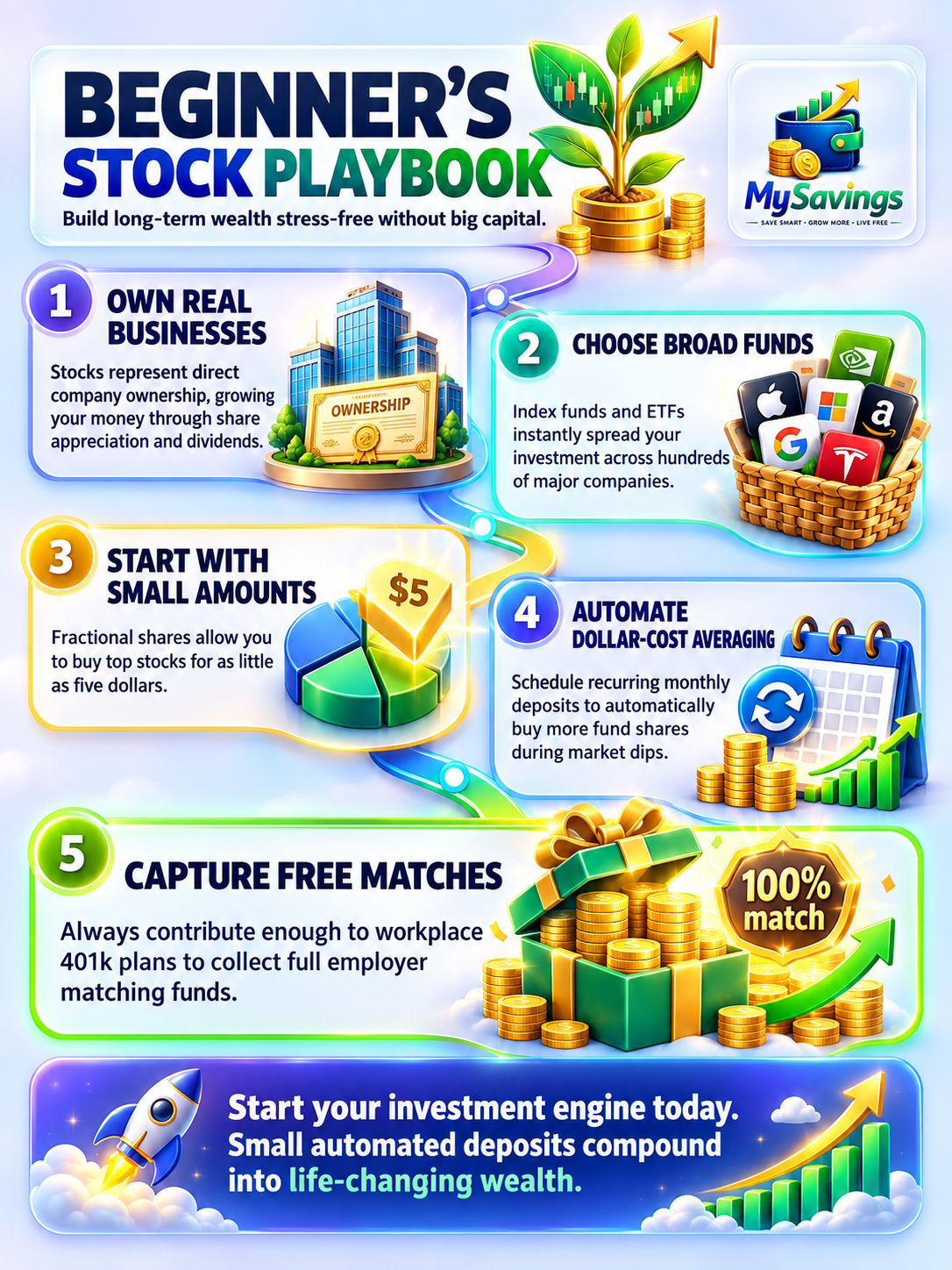

💸 Building wealth is not always about earning more — it’s often about making smarter financial decisions every day. This guide explores 20 powerful signs that show you are financially responsible, future-focused, and developing long-term money habits that create stability and freedom. 📊✨
From budgeting and consistent saving to investing wisely, avoiding debt, and planning for retirement early, these proven habits can help improve financial security in today’s economy. 🏦📈 The article also explains how disciplined spending, emergency funds, automation, and smart investing strategies contribute to long-term success.
Whether you are a student, young professional, entrepreneur, or someone working toward financial independence, these practical money habits can help strengthen your financial future. 🚀💰 Learn how financially smart people manage their money, reduce stress, and make every dollar work harder while building sustainable wealth over time.
💰 Smart With Money in 2026 📈
Money management is no longer just about saving a few dollars each month. In today’s fast-changing economy, financial intelligence means building sustainable habits that create long-term security, flexibility, and growth. Smart money management helps individuals prepare for emergencies, reduce stress, invest confidently, and work toward financial freedom.
Many financially successful people are not necessarily the highest earners. Instead, they consistently follow disciplined financial habits that allow their money to grow steadily over time. These habits can help improve budgeting, saving, investing, and overall financial wellness regardless of income level.
Here are 20 strong signs that show you are smart with money and building a healthier financial future.
1. You Live Below Your Means 💡
Living below your means is one of the strongest indicators of financial intelligence. Instead of spending everything earned, financially smart people maintain expenses lower than their income.
This approach creates room for:
- Savings
- Investments
- Emergency funds
- Future opportunities
People who avoid lifestyle inflation often build wealth much faster over time.
2. You Have a Clear Budget 📊
A budget acts as a financial roadmap. Smart money management starts with understanding:
- Income
- Fixed expenses
- Variable spending
- Savings goals
Budgeting helps avoid overspending while improving financial awareness. Whether using budgeting apps, spreadsheets, or traditional methods, maintaining a clear budget is a major sign of financial discipline.
Benefits of Budgeting
- Better spending control
- Reduced financial stress
- Improved savings consistency
- Stronger financial planning
3. You Save Consistently 💰
Consistent saving matters more than occasional large deposits. Financially responsible individuals regularly set aside money regardless of market conditions or economic uncertainty.
Even small savings can grow significantly through compound growth over time.
Smart Saving Habits
- Automatic transfers to savings accounts
- Setting monthly savings goals
- Creating separate emergency funds
- Saving before discretionary spending
4. You Invest for the Long Term 📈
Short-term market fluctuations rarely concern financially educated investors. Long-term investing allows assets to potentially grow through compounding and market appreciation.
Common long-term investment options include:
- Index funds
- ETFs
- Retirement accounts
- Dividend investments
- Real estate investments
Long-term investors often focus on patience and consistency instead of quick profits.
5. You Avoid High-Interest Debt 🚫💳
High-interest debt can seriously damage long-term financial growth. Smart money management involves minimizing or avoiding:
- Credit card debt
- Payday loans
- Excessive consumer financing
Reducing debt improves cash flow and allows more money to be directed toward savings and investments.
6. You Track Your Spending 📱
People who monitor spending habits are usually more financially aware. Expense tracking reveals unnecessary purchases and helps identify areas for improvement.
Tracking spending helps:
- Prevent impulse buying
- Improve budgeting accuracy
- Increase savings opportunities
- Maintain financial accountability
Financial apps and digital banking tools make expense monitoring easier than ever.
7. You Compare Prices Before Buying 🛒
Smart consumers rarely purchase without research. Comparing prices, reading reviews, and evaluating value can significantly reduce unnecessary spending.
Financially responsible buyers focus on:
- Product quality
- Long-term value
- Warranty and durability
- Total ownership cost
This mindset improves purchasing efficiency while protecting financial resources.
8. You Buy Quality Instead of Quantity 🏆
Buying cheap products repeatedly can cost more over time. Smart financial habits often prioritize durability and long-term value over temporary savings.
High-quality products may:
- Last longer
- Reduce replacement costs
- Improve satisfaction
- Deliver stronger long-term value
This strategy supports intentional spending habits.
9. You Have an Emergency Fund 🚨
Emergency savings provide financial protection during unexpected situations such as:
- Medical emergencies
- Job loss
- Economic downturns
- Urgent repairs
Financial experts commonly recommend maintaining at least three to six months of essential expenses in an emergency fund.
An emergency fund reduces reliance on debt during difficult situations.
10. You Set Financial Goals 🎯
Financial goals create direction and motivation. Smart money management involves both short-term and long-term planning.
Examples include:
- Paying off debt
- Buying property
- Building retirement savings
- Creating passive income
- Starting investments
Goal-setting improves financial focus and decision-making.
11. You Automate Your Savings ⚙️
Automation removes inconsistency from saving habits. Setting automatic transfers ensures savings happen regularly without relying on willpower.
Benefits of automation include:
- Consistency
- Reduced overspending
- Better financial discipline
- Faster goal achievement
Automation is widely used by financially successful individuals.
12. You Think Before You Buy 🧠
Impulse purchases can damage long-term financial health. Financially smart individuals evaluate purchases carefully before spending money.
Important considerations include:
- Actual necessity
- Long-term usefulness
- Opportunity cost
- Budget impact
This mindset helps reduce unnecessary expenses.
13. You Stay Focused, Not Impulsive 🎯
Smart money management requires emotional discipline. Financially responsible people avoid making major decisions based on:
- Social pressure
- Fear of missing out
- Temporary trends
- Emotional reactions
Long-term thinking usually produces stronger financial outcomes.
14. You Pay Yourself First 💵
Paying yourself first means prioritizing savings and investments before discretionary spending.
This strategy helps:
- Build wealth faster
- Improve consistency
- Strengthen financial habits
- Increase investment opportunities
Many successful financial plans begin with automatic contributions to savings or investment accounts immediately after income is received.
15. You Diversify Your Investments 🌍
Diversification reduces financial risk by spreading investments across different asset classes.
Diversified portfolios may include:
- Stocks
- Bonds
- Real estate
- ETFs
- International investments
Diversification helps improve stability during market volatility.
16. You Protect Your Money 🔒
Financial protection involves safeguarding assets through:
- Insurance
- Fraud prevention
- Secure banking
- Strong passwords
- Identity protection
Financially smart individuals understand the importance of protecting wealth as much as building it.
17. You Keep Learning About Finance 📚
Financial literacy is an ongoing process. People who continuously improve their knowledge often make more informed financial decisions.
Learning sources include:
- Financial books
- Podcasts
- Educational websites
- Investment research
- Market analysis
Financial education improves long-term decision-making and confidence.
18. You Plan for Retirement Early 🏖️
Retirement planning works best when started early. Even small contributions made consistently over decades can potentially grow significantly.
Early retirement planning provides:
- Greater flexibility
- Financial independence
- Reduced future stress
- More investment growth potential
Time is one of the most valuable tools in wealth building.
19. You Make Money Work for You 💼
Financially smart people focus on creating income streams that generate returns over time.
Examples include:
- Investments
- Dividends
- Rental income
- Digital assets
- Business ownership
The goal is building systems where money continues generating value.
## 20. You Value Financial Freedom 🌟
Financial freedom means having greater control over choices, opportunities, and future goals.
It often includes:
- Reduced financial stress
- Strong savings
- Low debt
- Sustainable investments
- Flexible lifestyle options
People who value financial freedom usually prioritize long-term stability over short-term gratification.
Why Smart Money Habits Matter in 2026 📊
Economic uncertainty, inflation, changing job markets, and rising living costs make financial literacy increasingly important. Smart financial habits help individuals:
- Handle unexpected situations
- Build long-term wealth
- Improve financial confidence
- Reduce dependency on debt
- Achieve future financial goals
Financial success is rarely built overnight. It is usually the result of consistent decisions made over many years.
Final Thoughts 💡
Being smart with money is not about perfection or extreme wealth. It is about creating healthy financial habits that support stability, growth, and long-term opportunities.
The good news is that financial intelligence can be developed gradually through:
- Better budgeting
- Consistent saving
- Smarter investing
- Reduced debt
- Financial education
Small improvements made consistently can lead to major financial progress over time. The earlier these habits begin, the stronger the long-term financial foundation becomes.