
A Practical Guide to Better Financial Habits for Long-Term Financial Freedom
💡 Building wealth rarely depends on earning the highest income it often comes down to making smarter financial decisions consistently. Many essential money habits, from creating an emergency fund to investing regularly and avoiding unnecessary debt, are rarely taught in traditional education. This guide explores ten practical financial principles that can help improve financial security, reduce stress, and create long-term wealth. Learn why saving before spending, investing a portion of your income, purchasing quality items, prioritizing health and education, and surrounding yourself with trustworthy people can positively influence your financial future. Whether you’re beginning your financial journey or refining your money management strategy, these timeless lessons provide actionable insights that encourage disciplined spending, strategic investing, and thoughtful life choices. By applying these proven wealth-building habits consistently, you can establish a stronger financial foundation and work toward greater financial independence with confidence. 🚀
What Are the 10 Smart Money Rules Wealthy People Commonly Follow?
Financial success is often portrayed as something reserved for high-income earners or lucky entrepreneurs. In reality, sustainable wealth is usually built through consistent habits, thoughtful decisions, and long-term planning rather than quick wins.
Many of the world’s financially successful individuals share similar approaches to saving, investing, spending, and making life decisions. While these principles are not universal rules, they offer valuable guidance for anyone looking to strengthen their financial future.
This article explores ten practical money rules that can help you improve financial stability, make smarter financial decisions, and gradually build lasting wealth.
🌱 Why Financial Habits Matter More Than Income
A higher salary certainly helps, but income alone does not guarantee financial security. Many people with substantial earnings still struggle financially due to poor money management.
Strong financial habits allow you to:
🔹 Prepare for unexpected emergencies.
🔹 Reduce financial stress.
🔹 Build long-term investments.
🔹 Avoid unnecessary debt.
🔹 Create lasting financial freedom.
Small decisions made consistently often have a greater impact than occasional large financial moves.
💰 Build an Emergency Fund Before Chasing Wealth
Unexpected expenses are inevitable. Medical emergencies, job loss, home repairs, or vehicle breakdowns can quickly disrupt your finances.
Many financial professionals recommend maintaining an emergency fund that covers approximately one year of essential living expenses if possible. Even starting with three to six months of expenses provides valuable protection.
A dedicated emergency fund helps prevent:
🔹 High-interest borrowing
🔹 Early withdrawal of investments
🔹 Financial panic during emergencies
🔹 Long-term debt accumulation
Treat this fund as insurance for your financial future rather than money waiting to be spent.
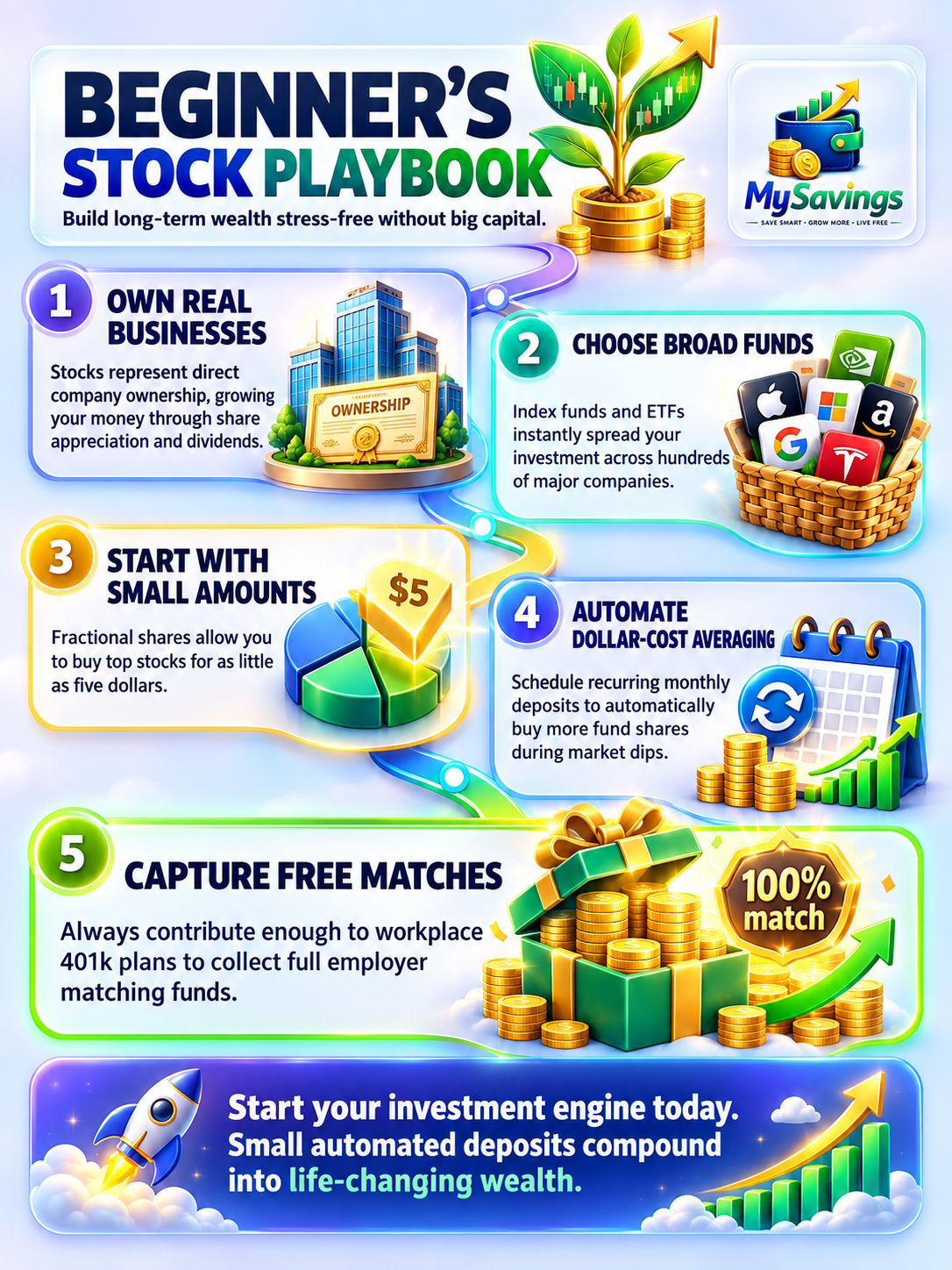
📈 Invest Consistently Instead of Waiting for the Perfect Time
One common habit among financially successful individuals is investing consistently.
Rather than attempting to predict market highs and lows, many investors contribute a fixed percentage of their income regularly.
Allocating around 20% of gross income toward investments—when financially feasible—can support long-term wealth creation through compound growth.
Popular investment options include:
🔹 Index funds
🔹 Retirement accounts
🔹 Diversified mutual funds
🔹 Exchange-traded funds (ETFs)
🔹 Dividend-paying investments
Consistency generally matters more than perfect timing.
🏡 Save First for Major Purchases
Large purchases often become expensive because they are financed with long-term loans.
Saving cash for significant life goals may require patience but can reduce interest costs and financial pressure.
Examples include:
🔹 Buying a home
🔹 Weddings
🔹 Engagement rings
🔹 Dream vacations
🔹 Home renovations
Planning ahead allows you to enjoy major milestones without creating unnecessary financial burdens.
📚 Spend Freely on Knowledge That Creates Value
Education is one expense that can continue generating returns for years.
Books, professional courses, certifications, workshops, and practical learning opportunities can improve skills, increase earning potential, and open new career paths.
Helpful investments include:
🔹 Financial education
🔹 Professional certifications
🔹 Technical skills
🔹 Leadership training
🔹 Industry conferences
Knowledge often compounds just like financial investments.
❤️ Never Compromise on Health
Health is one of your most valuable long-term assets.
Preventive healthcare, nutritious food, exercise, and mental wellness contribute to greater productivity and lower future healthcare costs.
Worthwhile health investments may include:
🔹 Regular medical checkups
🔹 Fitness memberships
🔹 Personal coaching
🔹 Healthy nutrition
🔹 Mental health support
Good health supports every other financial goal.
🎓 Continue Learning Throughout Life
The economy evolves constantly.
New technologies, industries, and career opportunities emerge every year.
Individuals who continuously upgrade their knowledge remain more competitive and adaptable.
Consider investing in:
🔹 Online courses
🔹 Professional workshops
🔹 Industry certifications
🔹 Networking events
🔹 Business education
Continuous learning helps future-proof your career.
🛍️ Buy Quality Instead of Replacing Cheap Products
Choosing the lowest-priced option is not always the least expensive decision over time.
Higher-quality products often:
🔹 Last longer
🔹 Perform better
🔹 Require fewer repairs
🔹 Reduce replacement costs
Whether purchasing furniture, electronics, clothing, or work equipment, focusing on value rather than price alone often leads to better financial outcomes.
🤝 Work With People You Respect
Professional relationships influence both career growth and financial opportunities.
Working alongside trustworthy, ethical, and supportive individuals often leads to:
🔹 Better collaboration
🔹 Reduced workplace stress
🔹 Higher job satisfaction
🔹 Greater long-term career success
Strong professional networks can create opportunities that money alone cannot buy.
❤️ Choose Life Partners Carefully
Marriage and long-term partnerships affect more than emotional well-being—they also influence financial stability.
Healthy relationships often involve:
🔹 Shared financial goals
🔹 Honest communication
🔹 Mutual trust
🔹 Responsible budgeting
🔹 Long-term planning
Financial compatibility can significantly reduce future conflicts and improve household stability.
🌅 Remember That Wealth Exists to Support Life
Money is a powerful tool, but it is not the ultimate goal.
Financial success becomes meaningful when it supports:
🔹 Family
🔹 Health
🔹 Personal growth
🔹 Experiences
🔹 Community
🔹 Peace of mind
Balancing financial ambition with personal fulfillment creates a more sustainable definition of success.
🚀 Additional Wealth Habits Worth Adopting
Alongside these ten principles, consider incorporating these practical habits into your financial routine:
🔹 Track monthly spending.
🔹 Create a realistic budget.
🔹 Avoid unnecessary lifestyle inflation.
🔹 Eliminate high-interest debt.
🔹 Automate savings.
🔹 Review financial goals annually.
🔹 Diversify investments.
🔹 Protect assets with appropriate insurance.
🔹 Build multiple income streams where practical.
🔹 Think long-term before making major financial decisions.
These habits reinforce financial discipline and encourage steady progress over time.
⚖️ Are These Rules Universal?
Not every financial recommendation applies equally to everyone.
Income levels, family responsibilities, career stages, local economies, and personal goals all influence financial decisions.
Rather than viewing these principles as strict rules, consider them practical guidelines that can be adapted to your own circumstances.
The most effective financial plan is one that aligns with your needs, priorities, and long-term objectives.
🎯 Final Thoughts
Building wealth is rarely about finding a secret investment or achieving overnight success. Instead, it often results from disciplined saving, consistent investing, thoughtful spending, continuous learning, and making intentional life choices.
While no single strategy guarantees financial success, practicing these ten money rules can help strengthen your financial foundation over time.
Financial freedom is not built in a day but every smart financial decision made today contributes to a more secure tomorrow.
By focusing on sustainable habits rather than shortcuts, you can create a future with greater flexibility, resilience, and peace of mind.