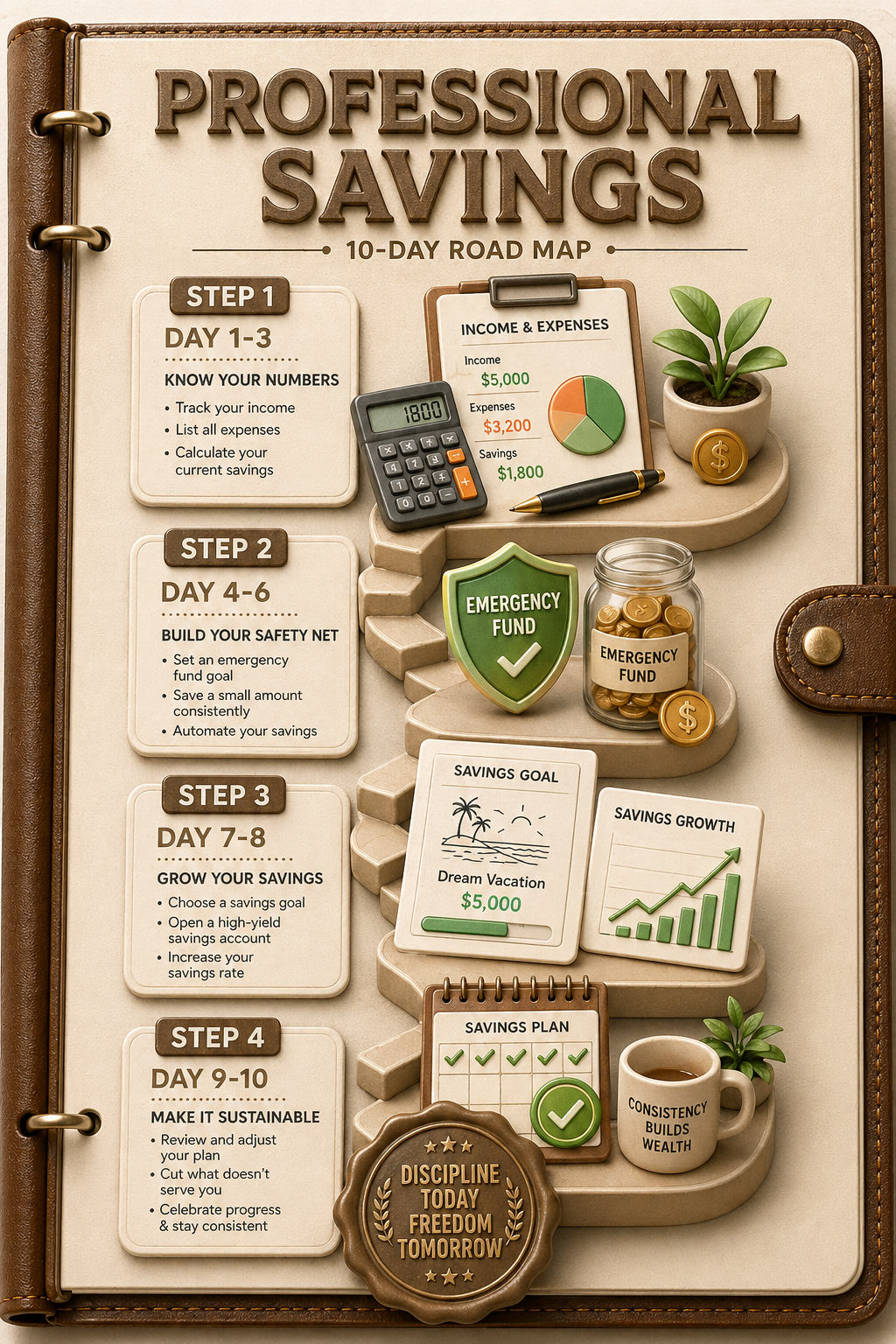
To validate a business idea in 10 days, identify a high-urgency problem and verify market demand through existing search intent and competitor spending. Instead of building a full product, create a one-page plan focusing on the problem and price, then attempt to pre-sell to five people. This “test before you invest” method ensures you only build what people are already willing to buy. 💡
🛑 Stop Building on a Guess: Why Most New Businesses Fail Before They Launch
Have you ever had a “million-dollar idea,” spent months perfecting it, designed the most beautiful logo, and told all your friends—only to hear crickets when you finally launched? 🦗
It is a heartbreaking experience that happens to thousands of entrepreneurs every day. Most people spend weeks or even years building a business in a vacuum. They name it, price it, and polish it, but they never stop to ask the most important question: Does anyone actually want this? 🧐
If you want to protect your savings and your time, you need to flip the script. You shouldn’t build a business to see if it works; you should prove it works before you build it. This guide will show you how to use a 10-day validation test to ensure your next venture is a guaranteed winner. 🏆
🎯 Step 1: Identify Real Problems That People Are Actually Desperate to Solve
The foundation of a successful business isn’t a “cool idea”—it is a solution to a painful problem. If you start with the solution, you are looking for a needle in a haystack. If you start with the problem, the market comes to you. 🧲
Focus on Urgency and Pain
Start by listing three real-world problems you have the skills to solve. Look for things people complain about constantly in forums, social media, or even in your daily life.
- The “Annoyance” vs. “Emergency”: An annoyance is something people wish was better. An emergency is something they will pay to fix right now. 🚨
- Pick the Winner: Out of your three ideas, choose the one that feels the most urgent in the current market.
The Problem-First Mindset
When you focus on what is hurting your audience, you stop being a salesperson and start being a hero. Building authority—as we discussed previously—starts with understanding the audience’s pain better than they do themselves. 🧠
🔍 Step 2: The 5-Point Validation Check—Don’t Move Forward Until You See Proof
Before you open a single design tool or buy a domain name, your idea must pass a “stress test.” If your idea doesn’t have a pulse, don’t try to give it CPR—just move on to the next one. 📉
The Market Demand Checklist
Ask yourself these five questions. If you can’t say “Yes” to at least three, your idea isn’t ready for development yet:
- Is there a conversation? Are people already talking about this specific problem online? 🗣️
- Is there search intent? Are people actively typing this problem into Google or YouTube? 🔍
- Is there a budget? Do people already pay for other solutions that are similar to yours? (Competition is actually a good sign!) 💰
- Is there a clear ROI? Does your version save them significant time or money? ⏳
- Is there a waitlist? Can you get five people to join a waitlist or pre-pay before the product exists? 📝
📋 Step 3: Create a One-Page Business Plan to Strip Away the Complexity
You do not need a 40-page business plan to start. In fact, long plans often hide the flaws in an idea. You need a single page that defines the “Four P’s” of your validation phase. 📄
The One-Page Framework
- Problem: Define exactly what is hurting them in one sentence.
- Person: Who specifically is this for? (e.g., “Freelance graphic designers” is better than “Business owners”). 👥
- Proof: What real interest have you seen so far? (Search volume, forum posts, or interview notes). ✅
- Price: What is the clear promise you are making for the cost? 🏷️
By keeping it on one page, you force yourself to be precise. Clarity makes your business repeatable and valuable. If you can’t explain it on one page, you don’t understand it well enough to sell it. ✂️
🚀 Step 4: Launch an “Imperfect” Version to Get Real-World Feedback Immediately
Perfectionism is just a fancy word for procrastination. If you wait until your product is perfect to launch, you have waited too long. The goal of day 10 is not a finished product—it is proof of payment. 💸
Use All-in-One Platforms
Don’t waste time coding a custom website. Use simple, all-in-one platforms to host a landing page. Whether you are selling a course, a guide, or a checklist, your goal is to have a “Buy Now” or “Join Waitlist” button that works. 🛠️
The Personal Outreach Strategy
Once your page is live, share it personally with 10 to 20 real people who fit your “Person” profile.
- Don’t spam: Send a thoughtful message explaining that you are building a solution and want to see if it hits the mark.
- Ask for the sale: The only feedback that truly matters is a transaction. 💳
💰 Why Testing Before Investing is the Ultimate Wealth-Building Strategy
At My Savings, we believe that financial literacy isn’t just about saving pennies—it’s about making smart bets with your time and capital. 🏦
When you spend six months building a business based on a guess, you aren’t an entrepreneur; you are a gambler. When you spend 10 days testing a hypothesis, you are a scientist. 🧪 By validating early, you protect your “seed money” so you can invest it into ideas that have already proven they can grow.
This approach builds generational wealth by teaching you how to identify patterns of demand. Once you learn how to spot what people are already buying, you can build a portfolio of businesses that serve real needs. 📈
🏁 Your 10-Day Challenge to Business Freedom
The goal of this process is simple: Never spend six months on a guess again. 🚫
Building what people are already buying is the “cheat code” to business success. If you can find five people willing to pay you before the product is finished, you don’t have an idea—you have a business. If you can’t find five people, you haven’t failed; you’ve just saved yourself months of wasted effort.
The Moral: Your time is your most valuable asset. Don’t spend it building a monument to an idea that nobody wanted. Test first, build second, and succeed always. 🌟